Derek Cleveland, LEED GA, Energy Efficiency Analyst, Weston & Sampson, Portsmouth, New Hampshire
As Massachusetts works toward its clean energy goals, limited undeveloped land is increasing interest in solar development on capped landfills, brownfields, agricultural land, and other underutilized properties. These sites offer opportunities to expand renewable energy generation while making productive use of land with limited development potential, but they also introduce unique engineering, environmental, and economic considerations.
This article examines the challenges associated with solar development on difficult sites, including landfill cap protection, foundation selection, drainage, settlement, contaminated soils, groundwater protection, permitting, and long-term maintenance. It also explores dual-use solar on agricultural land and the role of incentive programs in supporting projects with additional development costs.
By carefully evaluating engineering feasibility, environmental impacts, land use, and project economics, municipalities and developers can identify opportunities to transform challenging sites into productive renewable energy assets while preserving valuable land resources.
Massachusetts, like other densely populated states, presents a challenge for solar development due to its limited supply of undeveloped land and ambitious clean energy goals. To achieve the Commonwealth’s target of net-zero greenhouse gas emissions by 20501, increasing attention has been given to integrating renewable energy technologies into existing infrastructure rather than relying solely on new development. One promising approach is repurposing previously disturbed lands for solar energy production; such as capped landfills, brownfields, and other underutilized properties. While these disturbed sites offer significant potential for energy production, they also introduce engineering challenges that must be carefully evaluated during project planning and design.
Solar on Capped Landfills
In recent years, solar installations have provided a productive second life for many closed landfills, creating benefits for both municipalities and solar developers.
Among these opportunities, capped landfills have emerged as a particularly interesting option because they often represent large areas of land with limited alternative development potential.
Many closed landfills have been repurposed as recreational fields or simply remain vacant due to development restrictions. In recent years, however, solar installations have provided a productive second life for many of these sites, creating benefits for both municipalities and solar developers.
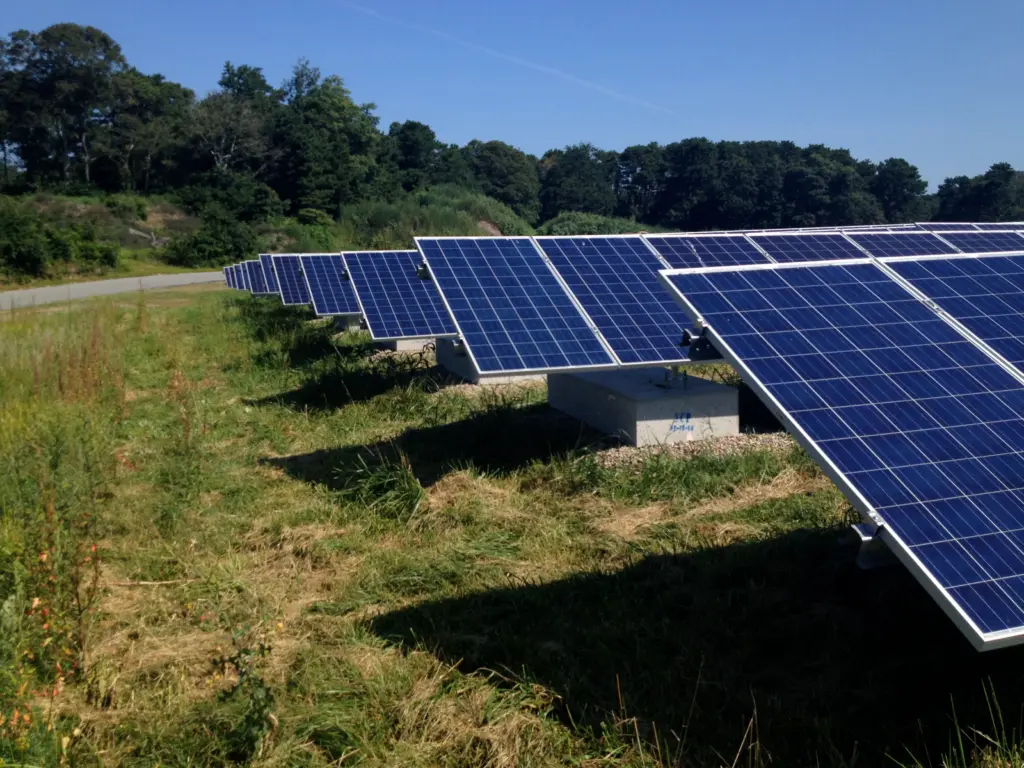
Designing solar arrays on capped landfills requires a fundamentally different approach than conventional ground-mounted systems. Protecting the integrity of the landfill cap is one of the primary engineering considerations, as disturbing the cover system can compromise the landfill’s environmental protection measures. In many cases, this means traditional driven pile foundations cannot be used. Instead, solar arrays are supported using above-ground ballasted foundations, such as concrete ballast blocks or rock baskets, which provide structural stability without penetrating the landfill cap.
Beyond foundation design however, solar projects on landfills require careful evaluation of several long-term engineering considerations. Existing drainage systems must continue to function properly to prevent erosion and protect the landfill cover. Additionally, differential settlement of the underlying waste mass can negatively affect the performance of both the solar array and site infrastructure over time. The permitting process can also be more complex than conventional solar projects, often requiring coordination among multiple state and local agencies responsible for landfill closure, environmental protection, and post-closure monitoring. Once construction is complete, ongoing inspection and maintenance are essential to ensuring that both the landfill and the solar installation itself continue to perform as intended.
Solar on Brownfields
Similar to capped landfills, brownfield solar projects require additional environmental and engineering evaluation compared to more traditional solar developments.
Another opportunity for solar development is the reuse of brownfield properties where legacy contamination or even the potential presence of hazardous materials may complicate redevelopment.
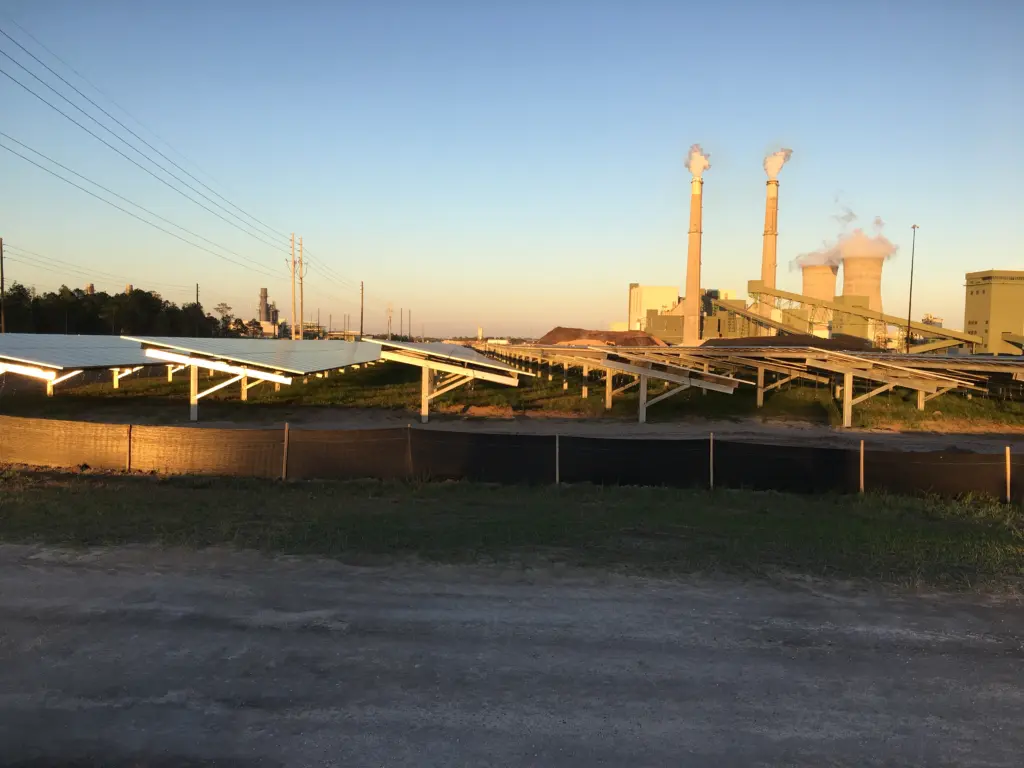
Similar to capped landfills, brownfield solar projects require additional environmental and engineering evaluation compared to more traditional solar developments. Depending on site conditions, engineers may need to consider limitations on soil disturbance, specialized foundation systems, groundwater protection measures, and coordination with environmental regulators.
Despite these challenges, converting brownfields into solar energy facilities can provide significant benefits by transforming underutilized properties into productive renewable energy assets.
Solar on Agricultural Land
Agricultural land represents one of the most significant opportunities for solar development in Massachusetts, but it also presents complex challenges due to competing land-use priorities. To balance renewable energy goals with agricultural preservation, increasing attention has been given to dual-use solar, or agrivoltaics, which allows agricultural activities and solar energy production to coexist on the same site.
Supporting Solar Development Through Incentives
While engineering feasibility is critical, the true test of whether a solar project is ultimately viable and can move forward is the economics. Previously disturbed lands can offer significant environmental benefits, but they often come with additional engineering and design requirements and construction costs compared to traditional solar sites. State and/or federal incentive programs can help offset some of these challenges and encourage development on locations that may otherwise remain underutilized.
Finding the right balance between available land, energy production, environmental impact, engineering considerations, and project economics will remain a critical consideration.
For example, in Massachusetts, the Solar Massachusetts Renewable Target (SMART) 3.0 Program2 provides financial incentives based on the amount of electricity generated by eligible solar projects. The program includes location-based “adder” incentives that provide additional compensation for certain project types, including installations on landfills, brownfield sites, agricultural land, and other qualifying sites. These incentives help support the development of solar projects that provide broader environmental benefits by encouraging the use of previously disturbed land. However, financial incentives cannot eliminate technical constraints, and each site must still demonstrate that it can be safely constructed and maintained over its expected lifespan.
As municipalities and developers alike continue to expand solar generation, finding the right balance between available land, energy production, environmental impact, engineering considerations, and project economics will remain a critical consideration. Programs such as SMART 3.0 help advance the use of previously disturbed properties, allowing communities to transform underutilized spaces into sources of clean energy while preserving other valuable land resources.
Zoie Leo is an Engineer with Weston & Sampson in Massachusetts. Zoie is a mechanical engineer specializing in renewable energy and energy efficiency project design and development.
Derek Cleveland, LEED GA, is an Energy Efficiency Analyst with Weston & Sampson in their Portsmouth, New Hampshire office. Derek specializes in solar energy facility site modeling, commercial energy auditing, and electric vehicle charging station siting.