The Power of a Multi-Faceted Plantwide Evaluation: Immokalee’s Efficiency Breakthrough
Articles
The Power of a Multi-Faceted Plantwide Evaluation: Immokalee’s Efficiency Breakthrough
November 3, 2026
Adam Tabbouche, PE, BCEE, Water and Wastewater Technical Leader, Weston & Sampson
Tim Harley, PE, Senior Project Manager, Weston & Sampson
Sarah Catala, CPM, Executive Director, IWSD
The Immokalee Water & Sewer District commissioned a comprehensive evaluation of its 4-million-gallon-per-day wastewater treatment plant to address equipment failures, increasing operational demands, limited asset management, and projected growth. The multidisciplinary evaluation examined three interconnected areas: staffing and management, operations and maintenance, and engineering and process performance.
The assessment included equipment inspections, operator interviews, targeted sampling, maintenance reviews, and development of a preliminary BioWin process model. Findings identified opportunities to consolidate the plant’s two headworks structures, improve grit removal, optimize chlorine feed locations, strengthen instrumentation and monitoring, and implement a computerized maintenance management system. Recommendations also addressed spare-parts management, equipment standardization, staffing needs, emergency preparedness, and laboratory capabilities.
The evaluation delivered both immediate operational improvements and a strategic roadmap for future investment. Its findings helped the District secure a $10.8 million grant for critical upgrades, including a consolidated headworks facility and new equalization tank. The project demonstrates how a multifaceted plantwide evaluation can improve reliability, reduce maintenance demands, strengthen staff preparedness, and support long-term wastewater treatment performance.
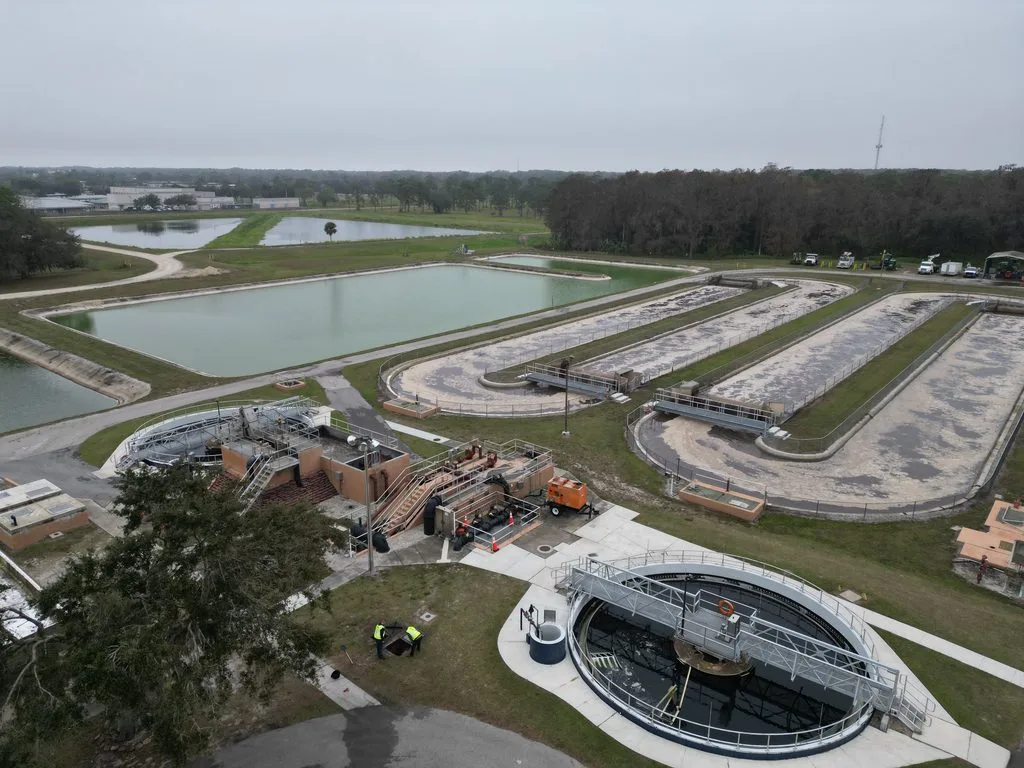
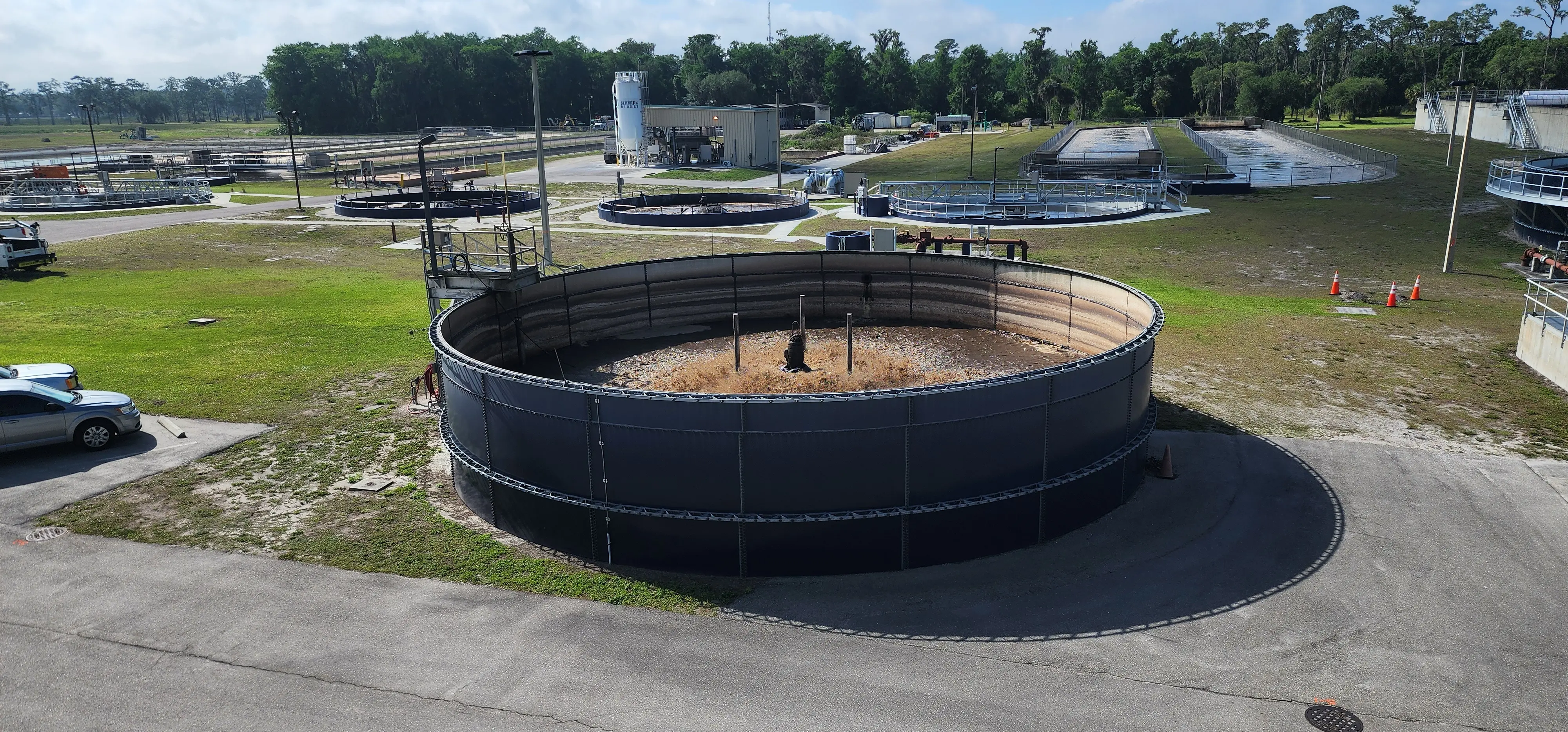
Treatment trains No. 1 and No. 2 at the Immokalee Water & Sewer District’s wastewater treatment plant.
When the Immokalee Water & Sewer District (“District”) asked Weston & Sampson to perform a full evaluation of their wastewater treatment plant (WWTP), they were facing a convergence of challenges: increasing failures of major components, higher operational demands, and lack of asset management, combined with new facility management.
At the onset of the evaluation, the WWTP experienced a change in leadership. The new WWTP supervisor understood the value of such an evaluation as an opportunity to provide a clearer picture of the condition of major components, how the plant was performing, and where improvements were possible. Weston & Sampson leveraged a holistic approach by utilizing a well-rounded team of wastewater process engineers, a former utility department manager, and a licensed operator to perform an evaluation focusing on three key areas:
staffing and management practices,
operations and maintenance, and
engineering/process performance.
The overall purpose was to:
evaluate the condition, operational capacity, and performance of the various components listed above of the wastewater treatment plant,
identify areas for improvement by reviewing records, system operation and maintenance manuals, spare parts, and construction contract documents,
estimate the remaining useful life of major equipment and facilities based on their age and observed condition,
review their emergency response, control, and monitoring process,
review available work records and data to understand daily routines to address system challenges and make suggestions for improvements and optimization where available,
develop operational and control measures,
review chemical consumption,
develop a preliminary Biowin model for the facility,
discuss relevant policies and regulations to identify their impact on current and future wastewater system policies and operations, and
develop process optimization strategies and recommendations.
This approach not only helped improve operations in real time but also effectively addressed component repairs and provided the groundwork necessary to implement new operational protocols and policies. The final report was used, in part, to secure a grant for a new headworks facility.
A Plant with a Lot of History (and Complexity)
Immokalee’s WWTP has a permitted Annual Average Daily Flow (AADF) capacity of 4 million gallons per day (MGD). The initial treatment trains, constructed around 1980, were expanded in 1991 to a capacity of 2.5 MGD until a significant expansion in 2014 increased their capacity to the current 4 MGD by adding a fourth treatment train. This expansion also included the construction of several major new infrastructure elements, such as:
a separate influent pump station and headworks,
a clarifier and secondary effluent pump station,
a Return Activated Sludge/Waste Activated Sludge (RAS/WAS) pump station,
a sludge holding tank, and
an administration building.
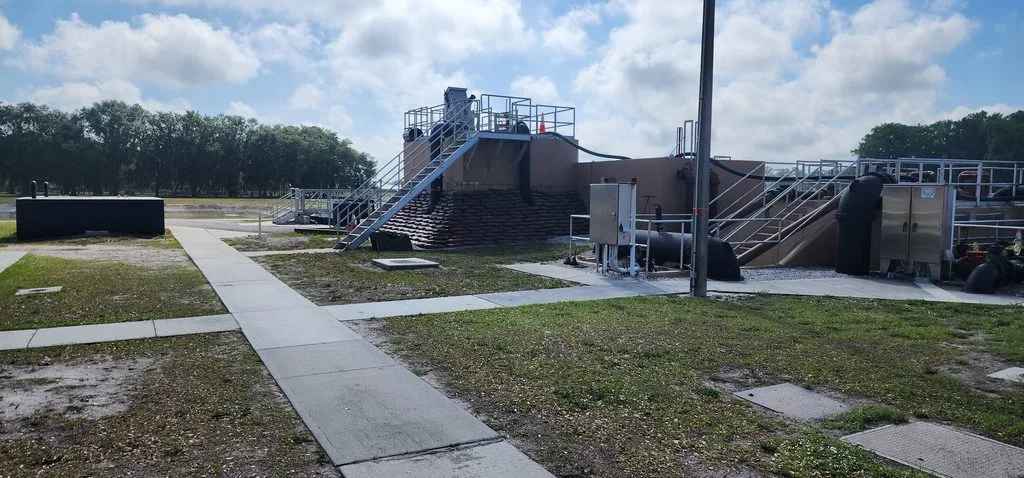
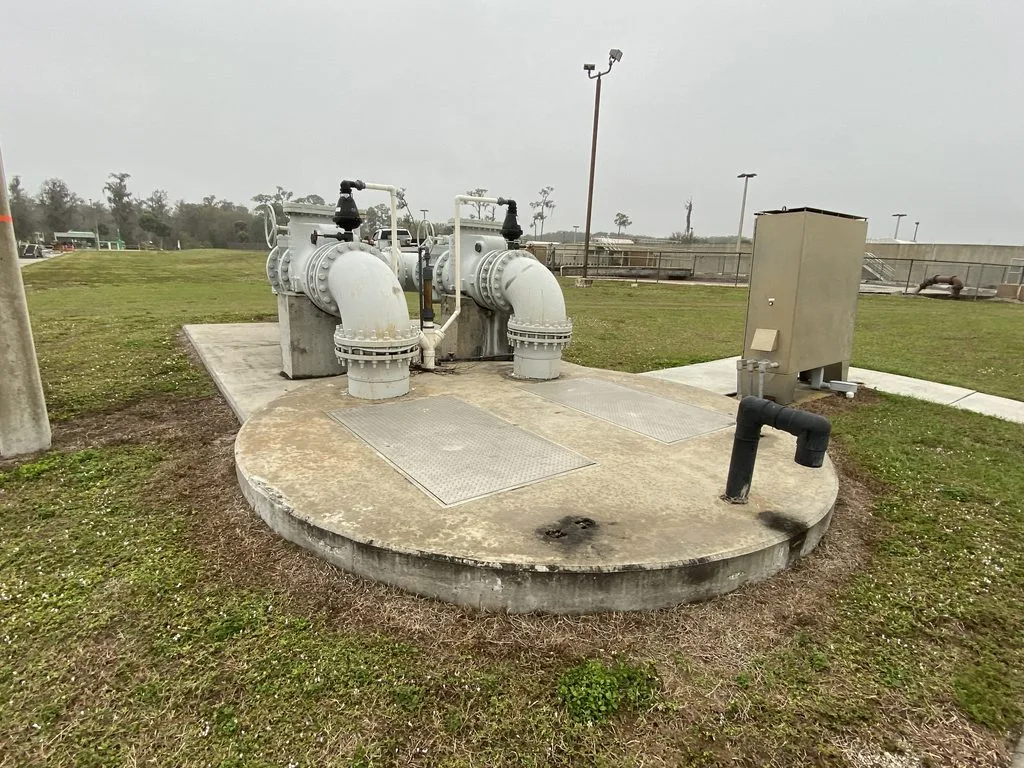
The plant is currently configured with two separate headworks structures – No. 1 (left) and No. 2 (right).
The plant currently uses extended aeration for the treatment of domestic wastewater and is configured with two separate headworks structures and separate biological treatment trains. This increases operational complexity but places greater demands on maintenance and process management. The legacy headworks also permit rags and grit to bypass screening, resulting in recurring maintenance problems and increased wear on the pumps.
Older Clarifiers 1 through 3 were rehabilitated in 2023 and new mechanisms were installed to improve efficiency and reliability. The facility also houses a Class AA Biosolids Facility equipped with a screw press, polymer feed system, and equipment that can produce more than 600 dry tons of biosolids annually.
Although the District serves a small, rural community, projected growth estimates suggest that influent flows could soon approach the plant’s permitted 4 MGD limit.
The three‑day, on-site evaluation included equipment inspections, operator discussions, targeted sampling, and maintenance actions that immediately improved performance. A BioWin 6.2 preliminary process model was developed using three years of influent and effluent data, targeted sampling, state-point clarifier analyses, and record drawings.
The evaluation also identified several opportunities to streamline operations and strengthen plant reliability. As mentioned earlier, the current configuration includes two headworks structures:
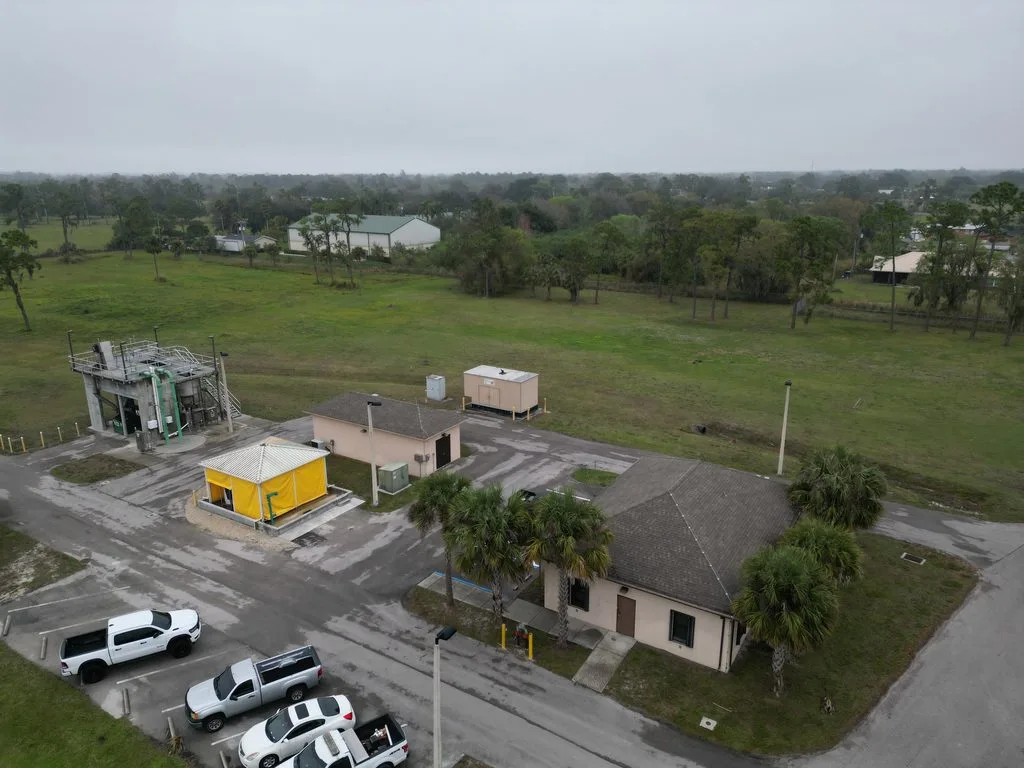
Immokalee’s new electrical building (left) and supervisor’s building (right).
Headworks No. 1, which handles most of the influent flow, serves treatment trains No. 1 through 3 but has limited screening and de-gritting effectiveness, and
Headworks No. 2, built in 2014, has increased screening and grit removal but was designed to only serve treatment train No. 4
Our study recommended decommissioning Headworks No. 1 and expanding the newer headworks into a single, modernized facility. The recommended de-gritting system would be designed to remove at least 90% of the grit, a significant improvement over the 50% efficiency of the existing equipment. Consolidating the headworks would also reduce downstream maintenance burdens, enhance process resilience, and provide better flow splitting throughout the plant. This would ensure more balanced operations and improved overall performance.
Other recommendations included improvements to the disinfection process:
relocate the primary chlorine feed points earlier in the flow path for enhanced mixing; and
repurpose the existing in‑tank feed points as secondary injection locations.
Improved mixing is expected to reduce chlorine demand and associated chemical costs as well as improve the consistency of effluent quality.
Strengthening Staffing, Monitoring, and Maintenance
The District’s evaluation also identified several opportunities to improve staffing practices, maintenance management, and instrumentation. Key recommendations included
establishing a dedicated spare parts warehouse,
rotating stored pump and motor shafts to prevent seizing,
standardizing equipment across the facility,
documenting all critical equipment details, along with manufacturers, representatives, and contact information to make finding replacements easier during emergencies,
evaluating facility staffing needs to provide more consistent operation and less overtime costs, and
aligning staff plans with EPA guidance.
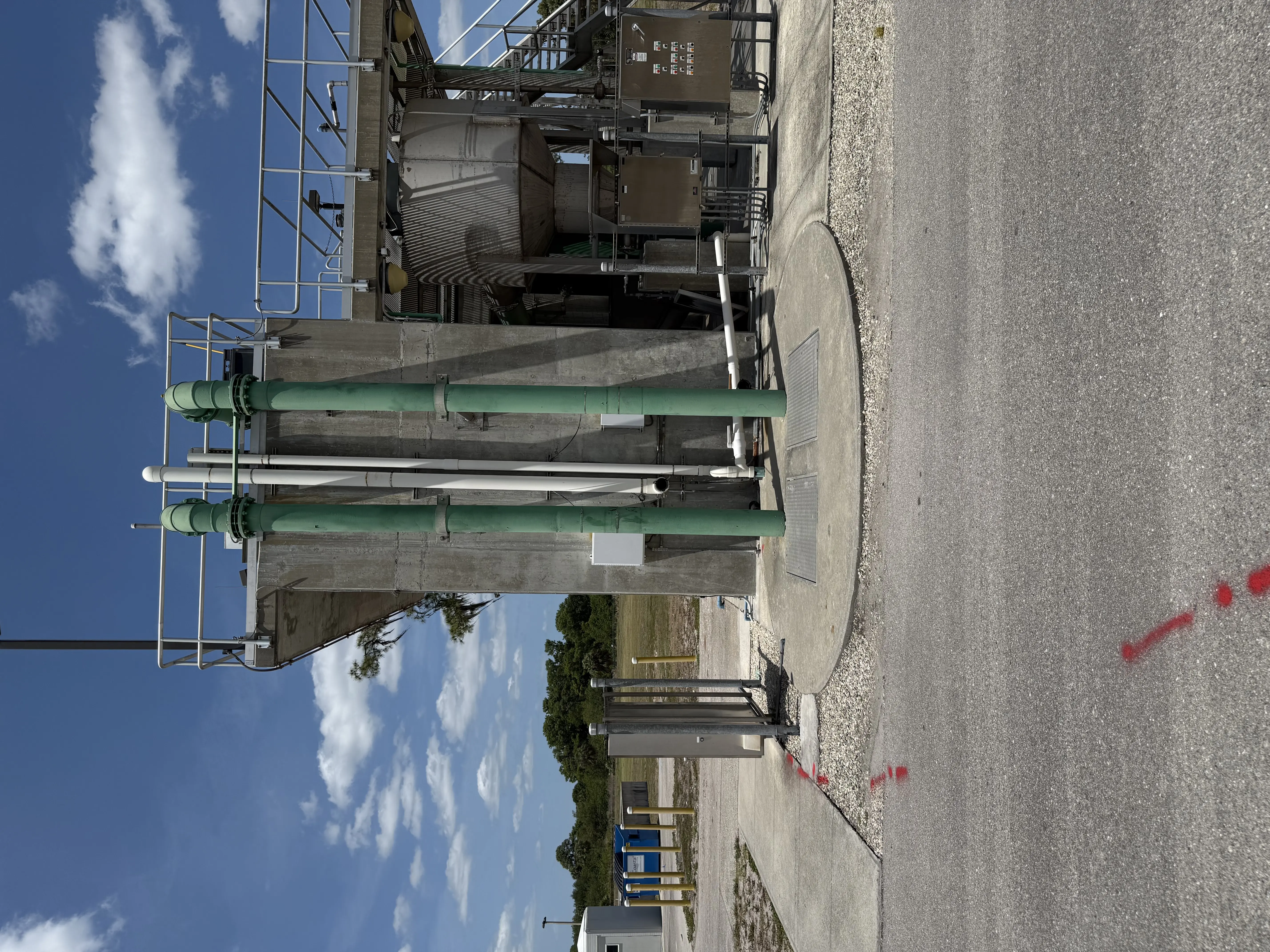
IWSD’s secondary effluent pump (top) and sludge holding tank (bottom).
To integrate essential data in real-time for process optimization, recommendations included upgrading instrumentation that consisted of online monitoring for influent, effluent, RAS/WAS, and key basin locations.
It was also noted that the facility would benefit from a computerized maintenance management system (CMMS) and installation of instrumentation at the headworks to provide early-warning system alerts. And finally, the on-site laboratory needed to be equipped for essential regulatory and process control analyses, supported by a detailed plant sampling and performance log.
Securing Funding for Strategic Upgrades
Building on insights from the evaluation, the District recently secured a $10.8 million grant to implement critical facility upgrades. These improvements would:
consolidate all flow into a single headworks facility,
enhance grit and debris removal,
protect downstream processes, and
reduce peak flow impacts through the installation of a new equalization tank.
Looking Ahead
The evaluation of the Immokalee WWTP provided far more than a snapshot of the plant’s current condition. It delivered the background for a strategic roadmap for improvements, empowered plant staff with actionable recommendations, and revealed potential opportunities for additional treatment capacity to be verified through additional hydraulic and process evaluations.
The field evaluation also offered practical, day-to-day benefits for plant operations. Weston & Sampson’s maintenance expert advised the plant’s maintenance staff on the importance of using manufacturer’s recommended lubricants for critical equipment, as well as which tools are most effective for routine and preventive maintenance.
Plant maintenance personnel also learned about operational practices that improve efficiency and equipment longevity. The overall evaluation and resulting recommendations have helped ensure that the District’s WWTP operates more reliably and that staff and leadership are better prepared to maintain the plant safely, cost effectively, and within permit and regulatory parameters.
Adam Tabbouche, PE, BCEE, is a Water and Wastewater Technical Leader with Weston & Sampson. He can be reached attabbouche.adam@wseinc.com.