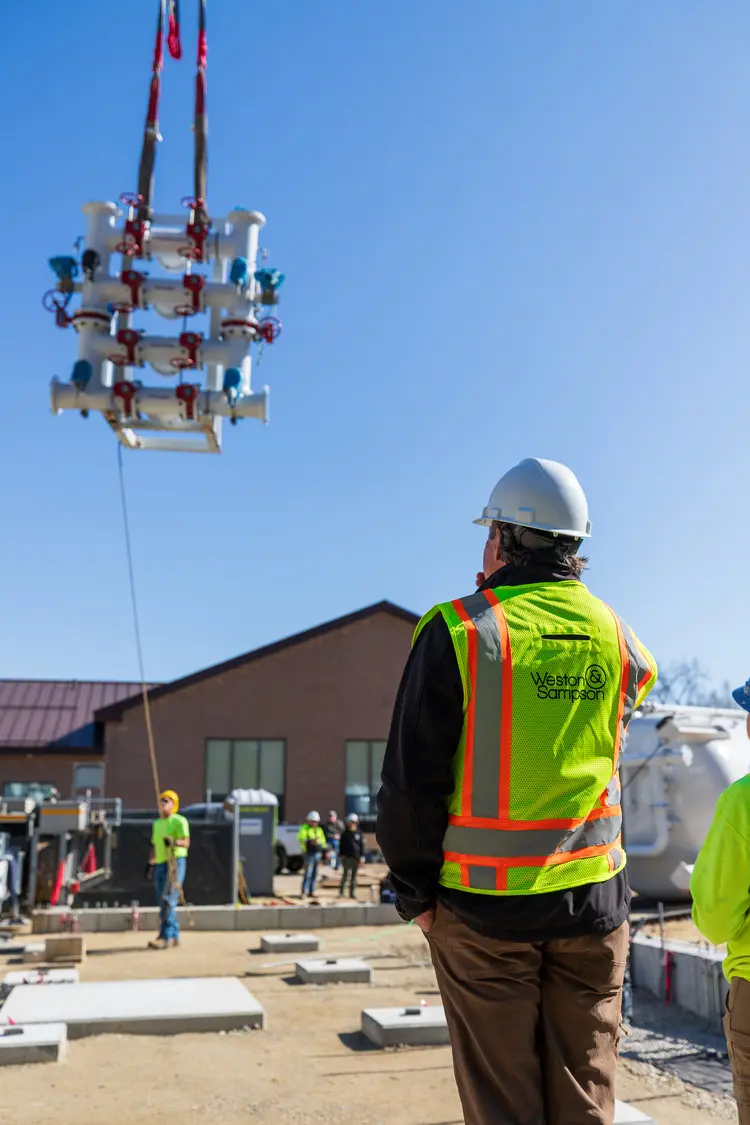
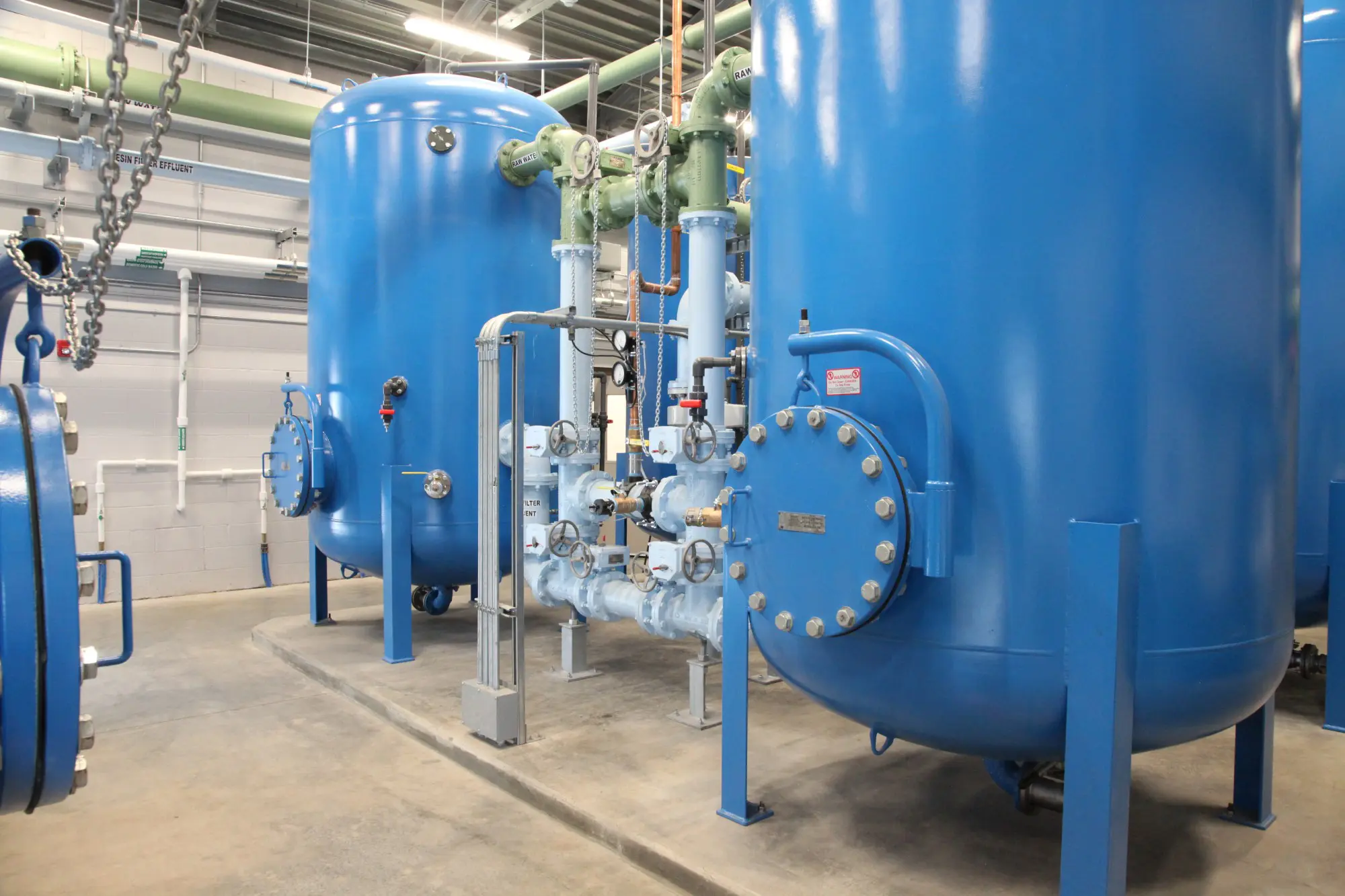
Photo of water tanks

PFAS Consulting, Treatment Evaluation & Emerging Contaminants Solutions

Practical strategies for PFAS investigation, compliance, treatment, and long-term management.

Contact our PFAS team

Contact Us

Per- and polyfluoroalkyl substances, commonly known as PFAS, are a large family of man-made compounds used for decades in industrial processes, consumer products, firefighting foams, and other applications. Because many PFAS are highly stable and resistant to breakdown, they can persist in the environment and move through drinking water, wastewater, soil, groundwater, biosolids, landfill leachate, and other connected systems.

For municipalities, utilities, state agencies, developers, landfill operators, wastewater facilities, and industrial clients, PFAS presents a rapidly evolving environmental and regulatory challenge. Requirements vary by state, federal standards continue to develop, analytical methods are advancing, and public awareness is increasing.

Weston & Sampson helps clients navigate PFAS and emerging contaminants with practical, defensible approaches. Our multidisciplinary team supports clients from early investigation and source identification through sampling, treatment evaluation, regulatory strategy, design, compliance, stakeholder communication, and long-term management.

Talk to our PFAS team about your site, system, or compliance challenge.


Because PFAS can move through multiple pathways, it requires more than a one-size-fits-all response. Effective PFAS management depends on accurate data, careful interpretation, regulatory awareness, engineering judgment, and clear communication. Weston & Sampson brings these disciplines together to help clients understand risk, prioritize action, and implement solutions that are practical, cost-effective, and defensible.

Why PFAS Is Different

PFAS is not a single-issue contaminant. It is a complex class of compounds that can affect multiple environmental systems at the same time. A PFAS concern may begin with a drinking water detection, a wastewater monitoring requirement, a landfill leachate issue, a redevelopment site, a biosolids question, or an industrial discharge concern. In many cases, these issues are connected.

PFAS can involve:

  • Drinking water supplies
  • Wastewater treatment facilities
  • Biosolids and residuals management
  • Landfills and leachate
  • Soil and groundwater
  • Surface water and ecological receptors
  • Industrial and commercial source areas
  • Brownfields, redevelopment, and infrastructure projects
  • Public communication and stakeholder engagement


CONSIDERATIONS

Map of PFAS MCP RCs and Method 1 cleanup standard exceedance

PFAS Regulations Are Evolving

PFAS regulations and guidance continue to evolve at both the federal and state levels. Public water systems, wastewater utilities, solid waste operators, developers, and industrial facilities are increasingly being asked to evaluate PFAS risks, collect defensible data, plan for compliance, and communicate results to regulators and the public. The challenge is not simply whether PFAS is present. The more difficult questions are:

  • Which PFAS compounds should be sampled?
  • What analytical method is appropriate?
  • How should results be interpreted?
  • What state or federal standards apply?
  • Is additional monitoring needed?
  • What treatment technologies are feasible?
  • How should residuals or waste streams be managed?
  • What should be communicated to the public?
  • What actions are required now, and what can be planned over time?

PFAS Webinars & Technical Resources

Our technical experts regularly share PFAS insights through webinars, presentations, and educational videos covering regulations, sampling challenges, treatment technologies, wastewater, biosolids, landfill leachate, and emerging contaminants.

Watch PFAS Webinars & Videos

PFAS Projects

PFAS Services by System Type

Photo of water tanks

Drinking Water

Weston & Sampson supports drinking water clients with:

  • PFAS sampling and monitoring programs
  • Regulatory compliance strategy
  • Treatment feasibility studies
  • Pilot testing and treatment selection
  • Design of PFAS treatment systems
  • Granular activated carbon, ion exchange resin, and membrane system evaluation
  • Emergency treatment planning and deployment
  • Cost estimating and funding support
  • Permitting and regulatory coordination
  • Construction-phase engineering services
  • Public communication and stakeholder support

FAQs

Common PFAS Questions

Scroll

PFAS are a large group of man-made compounds used in many industrial and consumer products. Some PFAS are persistent in the environment and may be associated with potential health or ecological risks.

Photo of a person in a Weston and Sampson Vest at a construction site
Photo of water tanks
Photo taken by a drone of a building

Let’s talk about PFAS.

PFAS is evolving, and so are the expectations for managing it. Whether you are evaluating risk, responding to contamination, planning for compliance, or designing long-term treatment, Weston & Sampson can help you move forward with confidence.

Contact Weston & Sampson