Resilience and Strategy in the Water Industry: Navigating Environmental and Economic Challenges
Articles
Resilience and Strategy in the Water Industry: Navigating Environmental and Economic Challenges
March 6, 2026
Margaret McCarthy,
Weston & Sampson, Portsmouth, NH
The water industry today stands at a crossroads of complex challenges and evolving expectations. From climate-driven disruptions to shifting workforce dynamics and increased public awareness, utilities and water professionals are being asked to adapt faster and more effectively than ever before. The key to navigating this rapidly changing environment lies in two interconnected capabilities: resilience and strategy.
This article explores how water utilities can strengthen both individual and organizational resilience while developing strategic responses to the economic, environmental, and social pressures impacting our industry. Drawing from psychological research, leadership theory, and real-world industry experiences, this article offers a framework for approaching these challenges with agility and purpose.
Defining Resilience and Strategy in the Water Sector
The term “resilience” is often used in the context of infrastructure or environmental planning. But in its broader sense, resilience refers to an individual’s or organization’s capacity to adapt, recover, and thrive in the face of adversity. Merriam-Webster defines it as the “ability to recover from or adjust easily to misfortune or change.” According to the American Psychological Association, however, resilience is the “process and outcome of successfully adapting to difficult or challenging life experiences, especially through mental, emotional, and behavioral flexibility.”
Strategy, by contrast, involves a “careful plan or method” – a series of deliberate decisions and resource allocations to reach defined goals. For utilities, strategy isn’t just about long-term capital plans. It also means cultivating adaptable teams, redefining internal processes, and engaging proactively with the communities we serve.
In times of rapid change – and we’ve certainly seen many recently – resilience and strategy must go hand in hand. One is the mindset; the other is the map.
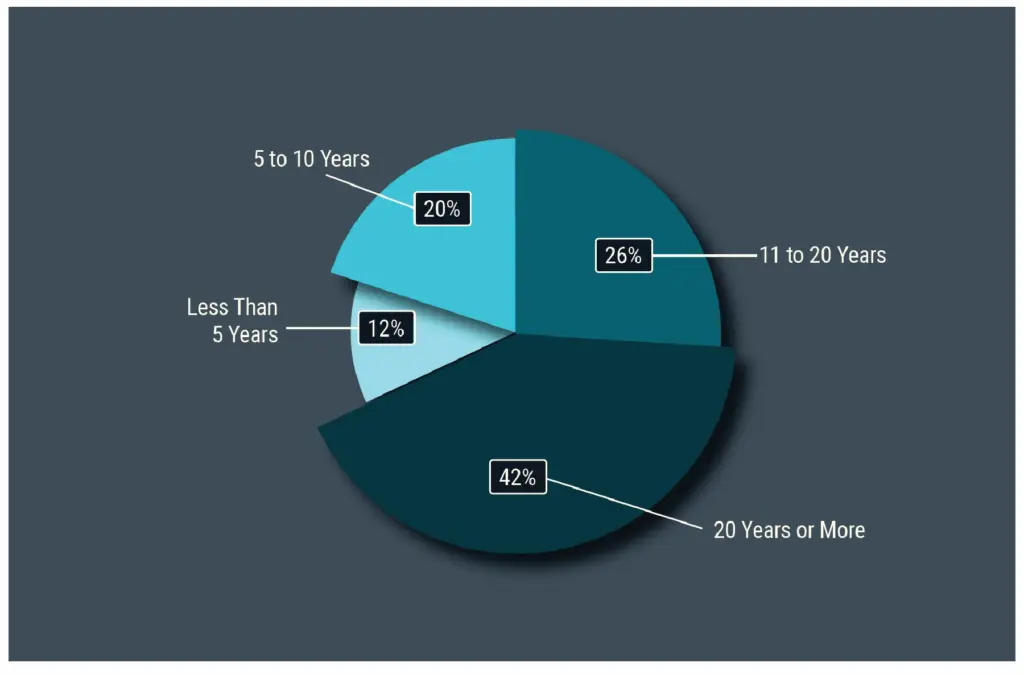
FIGURE 1. Data on practitioners’ experience in the water industry from the “2025 AWWA State of the Water Industry.”
The Current State of the Water Industry
Each year, the American Water Works Association (AWWA) releases its State of the Water Industry report1 (Figure 1), highlighting pressing challenges identified by professionals across the sector. In recent years, several of those challenges have consistently ranked at the top, including:
Watershed/source water protection
Aging infrastructure
Financing capital improvements
Long-term water supply availability
Public understanding and support for water systems
Workforce recruitment and retention
Climate-related threats like drought and extreme weather
Cybersecurity vulnerabilities
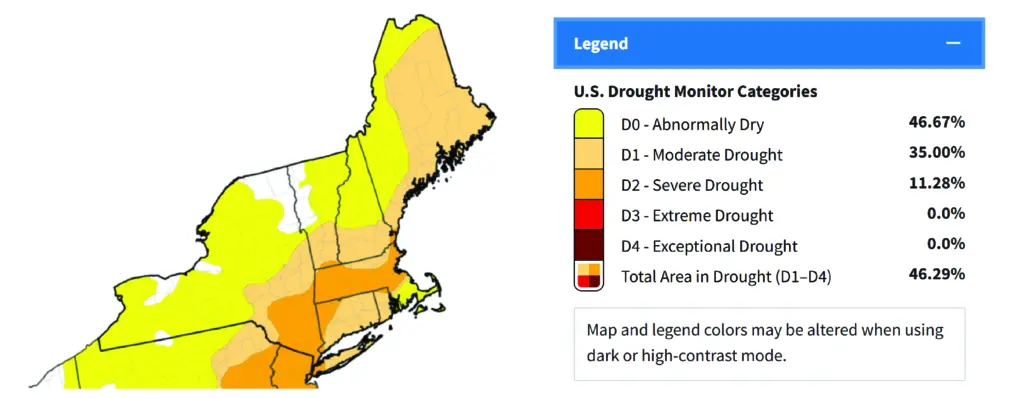
The problems are real, the list is long, and the pressure is high. In November 2024, several Massachusetts communities, including Danvers and North Andover, declared a state of emergency due to wildfire threats – a rare but rising concern in the Northeast. At the same time, water utilities across New England and beyond were grappling with supply chain disruptions, funding shifts, pending regulatory deadlines, drought conditions (Figure 2), and demands for new levels of technological adoption.
The volatility is not going away. To thrive as an industry, we need to look to build resiliency into our workforce and develop agile strategies for facing uncertainty to ensure water resources are sustainable.
FIGURE 2. The pressure is high on water utilities across New England as they grapple with supply chain disruptions, funding shifts, pending regulatory deadlines, drought conditions (as illustrated here), and more2.
The Human Side of Resilience
In addressing technical or operational challenges, we sometimes overlook the people at the heart of the water industry. However, the ability to endure stress, adapt to new realities, and continue delivering safe, reliable drinking water depends on the well-being and capacity of our workforce.
To build organizational resilience, we must first understand how individuals develop it within themselves. The field of psychology offers a useful lens. Core components of resilience, as defined by Dr. Ken Ginsburg3, include:
Competence – mastering skills through training and experience
Confidence – believing in one’s ability to succeed
Control – perceiving that one has influence over outcomes
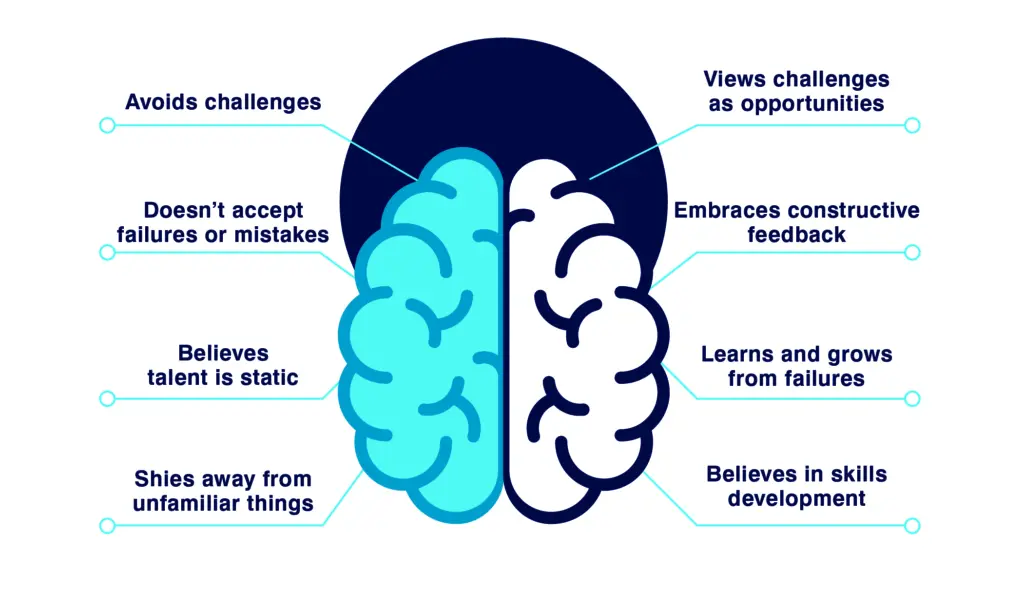
Psychologist Carol Dweck, Ph.D., in her book “Mindset: The New Psychology of Success,”4 contrasts employees with a “fixed mindset” versus those with a “growth mindset” (Figure 3). Fixed mindset employees believe their talents and intelligence are static traits, so they are less likely to embrace feedback or push beyond their comfort zones. Growth mindset employees, on the other hand, believe abilities can be developed through effort, learning, and perseverance, making them more likely to seek challenges, view failure as an opportunity to grow, and remain motivated to improve over time.
Water industry leaders should foster a work environment that supports both individual and team growth and provides a clear vision of the mission of protecting public health. Offering mentorship, professional development, employee recognition programs, and transparent communication aren’t perks – they’re strategic investments in workforce sustainability.
FIGURE 3. Carol Dweck, Ph.D., contrasts the motivations of those with a “fixed mindset” (left) to those with a “growth mindset” (right).
No “I” in Water: Team Resilience and Culture
In every utility or agency, cross-functional teams must tackle a wide range of overlapping challenges. Engineering, operations, finance, customer service, IT – they’re all linked. And because these teams are made up of people with diverse backgrounds, priorities, and communication styles, conflict is inevitable.
What matters is how we manage it.
Borrowing from leadership expert Kim Scott’s book Radical Candor,”5 leaders should strive to “care personally” while “challenging directly.” This means creating a culture where employees feel safe to speak up, disagree, and problem-solve without fear of judgment or retaliation.
This is especially important during periods of high stress – like emergency response, rate adjustments, public scrutiny – when burnout risk is high.
Forward-thinking organizations are also recognizing the benefits of work-life sway (a term preferred over “balance”), where flexibility and support are built into the work culture. Providing access to mental health resources, flexible schedules, and clear expectations can all help retain skilled staff and reduce fatigue-related errors.
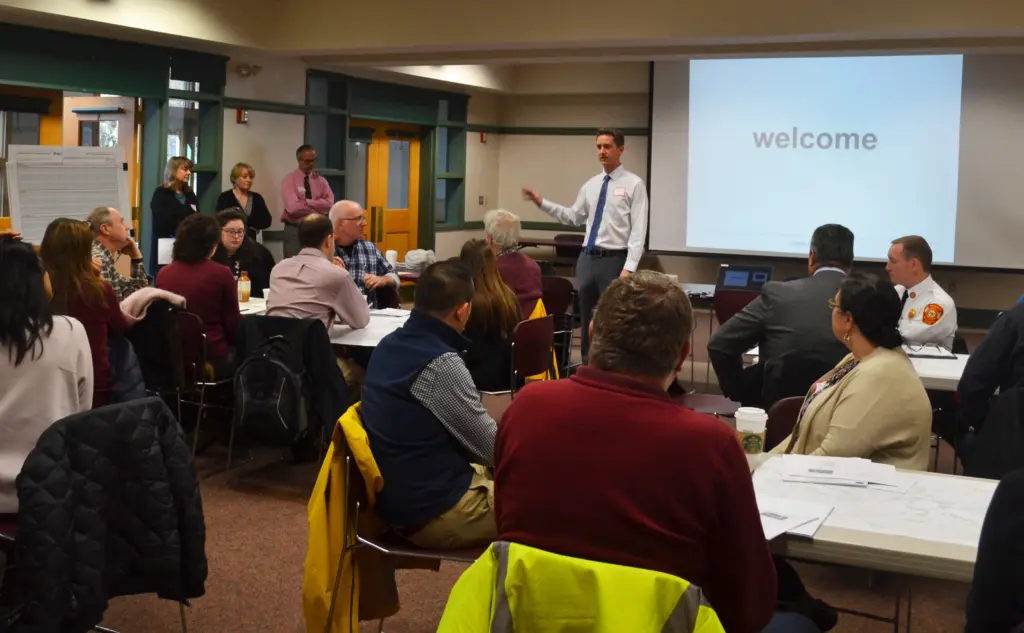
FIGURE 4. Open communication fosters trust, which in turn supports better decision-making and faster adaptation during a crisis.
Strategy as a Living Process
Resilience helps individuals and their organizations survive disruption. Strategy helps them move forward with intention.
Too often, strategy is treated as a static document, such as a five- or 10-year plan that sits on a shelf until the next budget cycle. But true strategic thinking is dynamic. It involves constantly assessing where we are, where we want to go, and what’s changing around us.
This iterative process requires a willingness to revisit assumptions.
Is the demand forecast still accurate?
Have funding sources changed?
Are new technologies now viable?
Have community priorities shifted?
What are the current staffing needs?
Do our staff need additional resources and/or training?
One example of this approach is agile workforce deployment. During the COVID-19 pandemic and subsequent climate-related disruptions, many utilities found themselves redeploying staff or reimagining job functions on the fly. Those that already had flexible training protocols, cross-department collaboration, and strong digital communication tools adapted more easily.
The same principles apply to capital planning and customer engagement. Long-term strategies should include decision trees or “what-if” scenarios to help utilities respond more effectively when the unexpected occurs.
Engaging Boards and Customers in Strategy
Even the best internal strategies will fall flat without external support. That’s why engaging with boards, commissions, ratepayers, and community partners is a critical part of building strategic resilience.
This starts with transparency. Sharing not just what decisions are being made but also why they are being made builds trust. Explain the trade-offs. Describe the risks of inaction. Show how investments in infrastructure, workforce development, and climate resilience support long-term service reliability and public health.
Boards and elected officials may not have deep technical knowledge, but they care about outcomes. Messages should be framed in terms of service continuity, cost-effectiveness, and community value. For example, rather than listing the number of miles of pipe to be replaced, try emphasizing how that replacement reduces the likelihood of emergency water shutdowns or regulatory fines.
Also, storytelling can be a powerful tool in empowering water utilities to build organizational resilience by connecting strategic goals to real-world impacts and fostering understanding, alignment, and support among staff, boards, and the broader community.
The Role of Technology and Innovation
The water industry has traditionally been conservative in adopting new technologies – and often for good reason. Protecting public health and ensuring system reliability don’t leave much room for error. However, it is often when we are operating just outside the scope of “business as usual” that new insights and skill sets are developed.
Increasingly, innovation is not optional. New challenges – think PFAS, cybersecurity, weather hazards – demand new solutions.
Investing in technology should always be part of your strategic plan to increase organizational resilience. But this doesn’t necessarily mean adopting every new tool that hits the market. Instead, consider a framework that prioritizes:
Operational efficiency: Can this technology reduce energy use, streamline workflows, or lower maintenance costs?
Enhancing resilience: Will it improve emergency response, redundancy, or system monitoring?
Equity and access: Do they improve services for historically under served populations?
Staff capability: Can your team learn and manage this tool effectively?
Start with the use cases that will yield early wins for the organization. Training and change management must be built into any implementation. Remember: technology is a tool, not a strategy in itself.
A Generational Shift: Preparing for the Future Workforce
As Baby Boomers and Gen X employees continue to age and retire (refer back to Figure 1), Millennials and Gen Z now make up more than half of the global workforce. The expectations around flexibility, inclusion, purpose, and professional development of these younger generations differ from those of the previous ones. For utilities already facing labor shortages, understanding and adapting to these expectations is crucial.
While older generations were motivated by stability, younger professionals are looking for truly meaningful work. Emphasizing the environmental and public health mission of water utilities can be a powerful recruitment and retention tool.
They also value continuous learning and career mobility. Organizations that provide structured training, mentorship, and visible advancement pathways will be better positioned to attract top talent.
Finally, inclusion matters. As Mary-Frances Winters writes in Inclusive Conversations6, fostering empathy and belonging across our differences leads to stronger teams. Diversity of thought, background, and experience enhances problem-solving – a vital asset in today’s rapidly changing world.
Closing Thoughts: Leadership with Courage
Researcher and author Brené Brown, in her book on leadership Dare to Lead,7 writes: “Leadership is about courage. It’s about the courage to show up and have difficult conversations, to take risks, and embrace change.”
That’s what the water sector needs right now. As we confront aging infrastructure, climate instability, evolving regulations, and generational change, we must lead with both head and heart. Strategy without empathy risks becoming irrelevant. Resilience without direction may falter in the face of complexity.
But together, strategy and resilience can form a powerful foundation for progress – one that ensures clean, safe, and reliable water for generations to come.