Articles

“An Ounce of Prevention is Worth a Pound of Cure”
– Benjamin Franklin
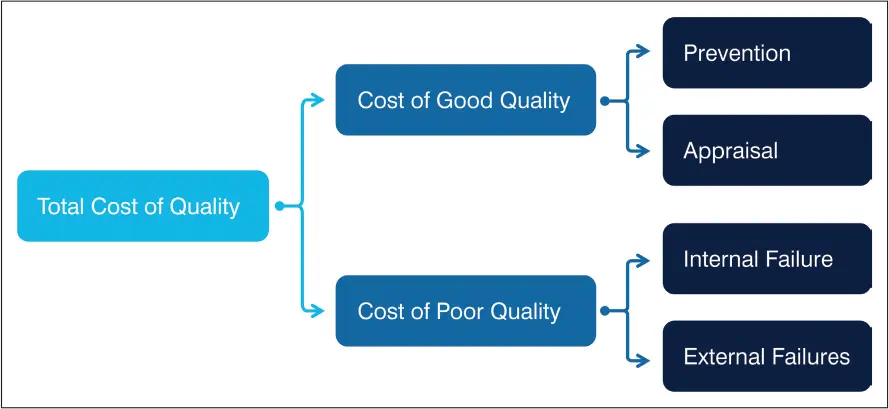
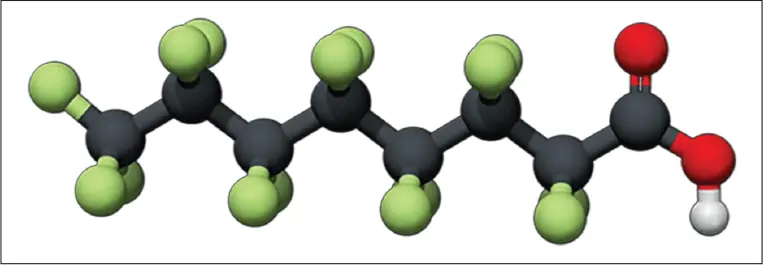
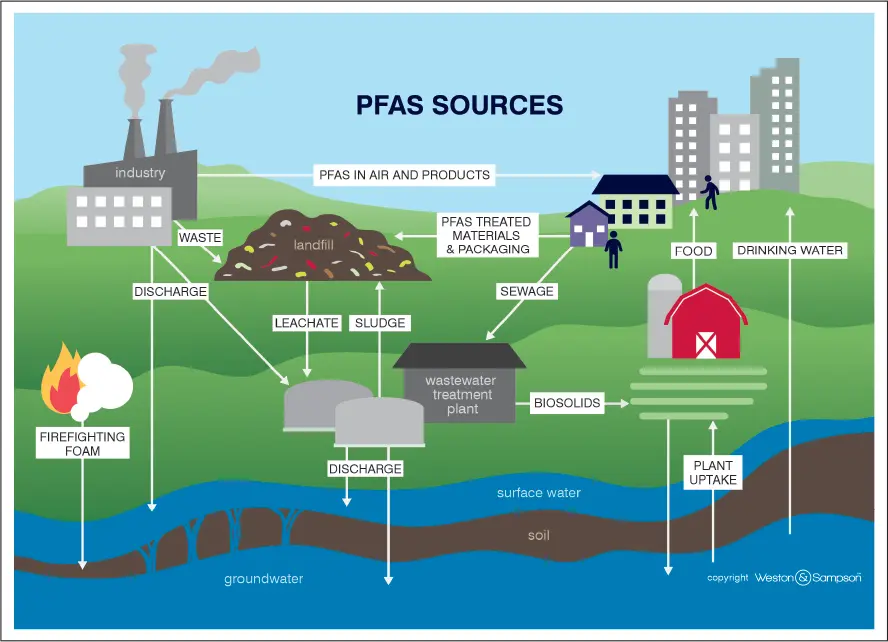
This memorable quote by Benjamin Franklin highlights the importance of proactive quality control measures to aid in avoiding future complications. “The Cost of Quality” concept was introduced by Armand Feigenbaum in his 1956 Harvard Business Review essay “Total Quality Control”1 in which he introduced the four quality cost categories commonly referred to today – prevention, appraisal, internal failures, and external failures (Figure 1). While Feigenbaum’s cost of quality concepts were developed with manufacturing in mind, these concepts are also relevant in the context of analytical testing for PFAS (per-and polyfluoroalkyl substances). In the case of PFAS (Figure 2), the accuracy and reliability of data can significantly impact regulatory exceedances, treatment solutions, remediation, litigation, and the costs associated with them. It is crucial that decisions for these matters be based upon a solid foundation of high-quality PFAS testing data.
Proactive planning and implementation of quality control practices can be anticipated, scheduled, and budgeted upfront. In contrast, the costs and delays associated with poor-quality data often emerge only after the fact. Costs to fix these issues cannot be accurately estimated or budgeted, posing significant risks to project timelines, budgets, and overall success. Despite this, there has been limited discussion about the potential costs of poor-quality PFAS data and how they compare to the costs and benefits of obtaining high-quality data. This article will delve into the concept of the total cost of quality in PFAS analytical testing, emphasizing the strategies necessary to generate the best data for your projects and clients.
Challenges of PFAS Analytical Testing
With an abundance of state and federal PFAS regulations being proposed and passed in recent years, the demand for PFAS sampling and analytical testing has been increasing 10-fold year over year.2 This increased demand presents as a unique growth opportunity for environmental consulting firms and testing laboratories. PFAS testing is a specialty analytical method distinct from routine environmental testing (e.g., metals, volatiles) performed by most testing laboratories. PFAS testing is particularly difficult to perform accurately. Even the best laboratories specializing in PFAS experience significant challenges with the associated analytical testing. Regardless, many laboratories are jumping into this growth market, many without the depth of experience or expertise to generate high-quality and reliable data.
Challenges associated with PFAS analytical methods include:
- Ubiquitous Presence of PFAS. The ubiquitous presence of PFAS in our everyday lives, as well as in the laboratory environment, increases the potential for cross-contamination. This widespread presence can lead to inadvertent contamination of samples during collection and analysis.
- Regulatory Requirements. Current state and federal regulations require analytical sensitivity in the parts per trillion (ppt) range,3 which presents a significant challenge for accurate PFAS testing. Also, continued reduction in regulatory limits is further driving testing laboratories to push their limits of detection even lower.
- Demand on Laboratory Capacity and Capabilities. Along with the ever-lower regulatory limits is the ever-increasing demand for PFAS testing. Increased testing demands are stressing the limits of laboratory capability and capacity, making it difficult to maintain sufficient quality control.
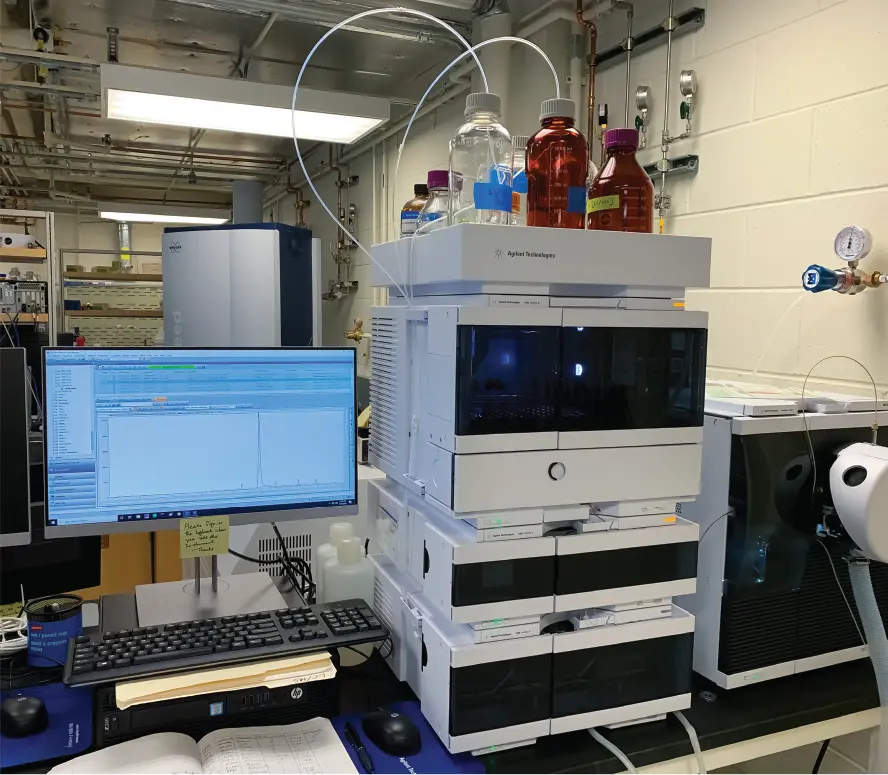
- Complex Methods. PFAS analysis uses advanced sample preparation and analytical techniques that many routine testing laboratories are simply not accustomed to performing (Figure 3).
- Analytical and Matrix Interferences. Analytical and matrix interferences from naturally occurring organic compounds can result in reporting of false positives and high-biased results.
- Comprehensive Data Reporting. The production of a comprehensive data reporting package, which includes raw and supporting data, is needed to ensure transparency and enable proper validation of results. However, no standardized data reporting framework has been codified, and the level of detail and reporting formats vary significantly between laboratories. This lack of consistency makes it difficult to efficiently review and compare data.
- Growing Selection of Ancillary Methods. It is estimated that there are more than 10,000 unique PFAS compounds, but standard PFAS testing methods are only capable of identifying a small fraction of these compounds (e.g., Method 1633 only includes 40 PFAS compounds). To estimate “total” PFAS content in samples, ancillary methods are being developed, including total oxidizable precursor assay (TOPA), extractable organic fluorine (EOF), adsorbable organic fluorine (AOF), and other non-targeted analysis methods. Each of these analytical methods and approaches has their own challenges in producing high-quality, reliable data.
Once PFAS data are produced and delivered to clients, they are often accepted at face value without thorough examination of the underlying quality or consideration of potential deficiencies. This reliance on unverified data can compromise the validity of decisions based on inaccurate or incomplete information.
What are Poor Quality PFAS Data?
Poor-quality PFAS data lack the accuracy and precision necessary to support informed project decisions. These data may exhibit significant high or low bias, as well as false positives or false negatives. Such deficiencies can lead to misleading or even incorrect conclusions about the extent and magnitude of contamination, ultimately preventing effective decision-making and response strategies.
What are the Potential Costs of Poor Quality PFAS Data?
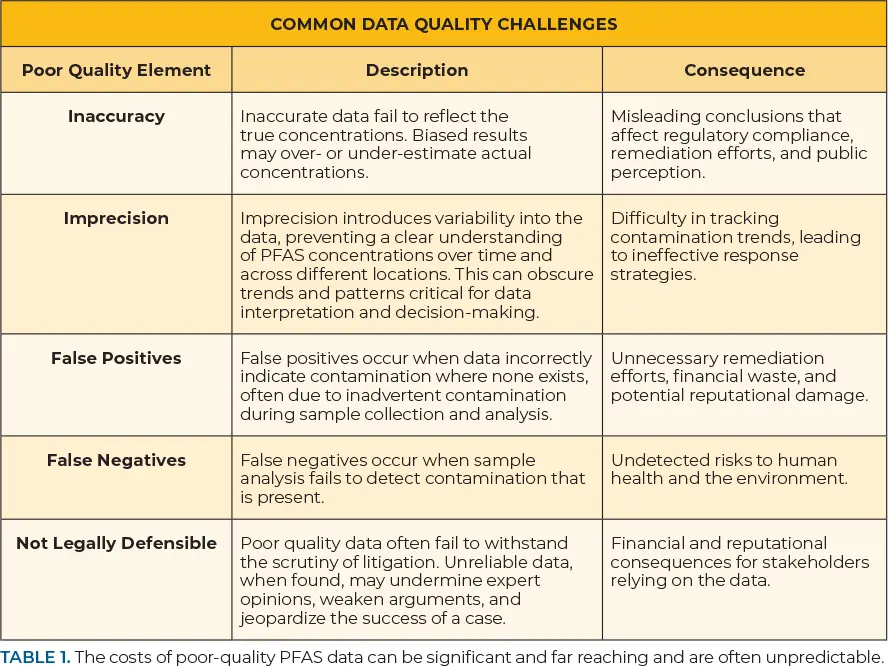
The costs of poor-quality PFAS data can be significant and far-reaching (Table 1). What’s more, these costs are often unpredictable, making them impossible to anticipate, schedule, or budget. Beyond actual financial impacts, poor-quality data can also impact project timelines, have social and emotional consequences, and damage brand reputations.
Financial Cost
If data are determined to be of poor quality and thus unsuitable for the intended use, additional sampling and analysis may be required to address data gaps. In the most serious of cases, field investigations may need to be completely reperformed, resulting in a total loss of previously invested resources, let alone the damage to critical professional reputations.
Inaccurate data can also lead to costly and more unnecessary and aggressive approaches for treating and managing PFAS-impacted resources. For instance, if a laboratory produces results that are consistently biased high, it may prompt remedial actions that are more extensive and expensive than required.
Financial penalties for exceeding regulatory thresholds are another potential cost consequence of inaccurate PFAS data. Inaccurate PFAS results can lead to non-compliance with regulatory PFAS standards, which may result in fines and/or enforcement actions.
The number of PFAS-related lawsuits continues to increase as communities seek financial assistance to address contamination. Poor-quality data can jeopardize these outcomes, since unreliable information may not be able to support expert opinions in court. This can lead to potential loss of legal cases and significant financial consequences. For example, in October 2024, a federal judge in California dismissed a false advertising class action lawsuit filed against Proctor & Gamble relating to the presence of PFAS in tampons. The judge found that the plaintiff’s data were not of sufficient quality to support their claim, instead finding that the non-specific organic fluorine testing performed by the plaintiff was inadequate to demonstrate that the product contained PFAS.4,5
Project Timeline Delays
The impact of poor-quality PFAS analytical testing data can also lead to significant schedule delays related to site investigations, site remediation, treatment solution implementation, property transfers, and more. Nobody actually plans on collecting poor-quality data, so when data are found to be inaccurate or incomplete, additional rounds of sample collection and analysis are necessary to obtain data of sufficient quality to support project decisions. Redoing work causes significant delays, pushing back project timelines, impacting client trust and confidence, and preventing timely decision making.
Social and Emotional Well-Being
When it comes to individuals’ health and well-being, it is critical that the data used to inform these decisions are true and accurate. Imagine being told that your water source is contaminated with PFAS at levels exceeding regulatory standards – that news would rightfully cause significant anxiety and stress. But what if that information was inaccurate, with PFAS results biased too high, leading you to believe your water was unsafe when it was in reality safe to drink? You would have unnecessarily suffered from misleading information and the stress and anxiousness associated with it. On the other hand, if the PFAS data were biased too low and no action taken, you might continue to be exposed to harmful levels without even knowing it. Either scenario can have significantly negative impacts on your well-being.
News of PFAS contamination frequently makes headlines, drawing attention to the real challenges faced by communities affected by its impacts (Figure 4). These stories often reflect legitimate concerns about health, safety, and environmental conditions. However, the public is also being inundated with information from bloggers and other sources related to PFAS content in consumer products. Based on detailed review of the data supporting some of these purported claims, the data are often inaccurate and rely on nonspecific methods, poor quality testing, and/or inappropriate sampling – never mind possibly even “junk” science. These flawed results are used to exaggerate PFAS impacts, creating unnecessary fear and influencing consumer purchasing decisions.
While the real risks of actual PFAS exposure require attention and action, misinformation only serves to increase anxiety, distract from actual health threats, harm brands, and erode public trust. This uncertainty can take an emotional toll on individuals and communities. Therefore, it is crucial to prioritize accurate, high-quality data to better inform consumers, guide decision-making, and alleviate unwarranted concerns.
How Do We Raise the Quality of Data?
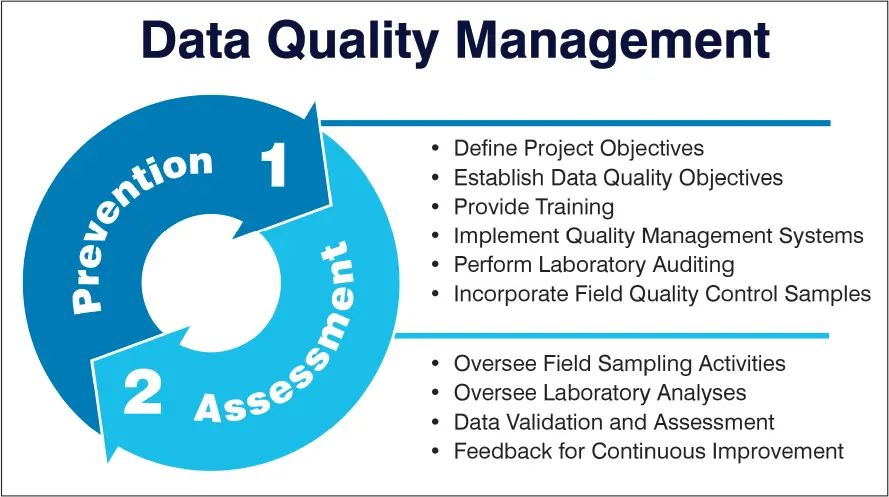
By investing proactively in high-quality data, money, time, and resources will ultimately be saved. To ensure high-quality data, two primary approaches are employed: prevention and assessment. Prevention involves proactive measures during sample collection and laboratory analysis to minimize errors and inadvertent sample contamination risks. Assessment focuses on evaluating the data after it has been generated to ensure accuracy, precision, representativeness, and completeness.
Prevention
As previously discussed, obtaining accurate and reliable data is challenging, given the complexities of collecting and analyzing environmental samples for PFAS. Proactive preventative measures, including robust standard sampling procedures and quality management programs, offer the most vigorous defense against costly data errors.
Our recommended approaches for proactive data quality planning include the following:
- Define Data Needs with Client and LaboratoryEstablishing clear objectives for PFAS-related data collection and analysis is the foundation of effective planning (Figure 5). This involves identifying the specific types of data required to answer project questions and meet project goals. Prior to the initiation of any investigation, discussions are needed to make decisions about sample type, sample matrices, regulatory limits to be achieved, compound lists, and analytical methods. Agreement is also needed on establishing lines of communication should issues arise in the laboratory during testing so remedies can be implemented BEFORE it’s too late.
- Quality PlanningDevelop a detailed quality assurance plan (QAP) to provide the roadmap to the sample collection and analysis program. The QAP must be designed to address PFAS-specific requirements and outline the data quality objectives (DQOs) for the program.
- Audit and Test New VendorsAudit analytical laboratories before engaging their services to confirm that they possess the necessary experience and expertise in PFAS testing methods. Testing new laboratories with standard reference materials or performance evaluation standards helps to further evaluate their performance. Selecting laboratories based solely on “low bid” status should be avoided; instead, maintaining relationships with preferred laboratories with a proven history of delivering acceptable work quality is a far better solution.
- Employee TrainingTrain staff on the latest sampling, analysis, and data management methods associated with PFAS. Training programs should emphasize the importance of documentation and adherence to protocols to aid with obtaining quality data, thus ensuring that team members are prepared to meet project demands.
- Quality Management SystemImplement a robust quality management system to oversee and maintain data quality throughout any sampling and analysis program. Incorporate a continuous improvement plan into this system that involves regular monitoring to identify areas for improvement and develop solutions to improve processes. Such a system enhances data integrity and maintains high standards throughout all phases of data collection and analysis.
- Quality Control SamplesIncorporate standard reference materials (SRMs) into your program as an efficient way to benchmark analytical performance. SRMs serve as a consistent yardstick for assessing and comparing variability over time and across different analytical laboratories. Routine use of SRMs or blind quality control samples will help identify and resolve anomalies in real-time.
Data Assessment
The ongoing assessment of data quality is crucial for maintaining the integrity of PFAS data throughout the project lifecycle and involves a few practices:
- Routine Field Sampling OversightFor decades, field sampling activities have relied on the unique water-and chemical-resistant properties of PFAS. Notebooks and pens that work in the rain, Tyvek suits for chemical exposure protection, and Teflon tubing for sample collection have all been standard tools. However, with the growing focus on detecting PFAS in the environment, field sampling procedures and supplies must now be adjusted to prevent inadvertent contamination. Additionally, the ultra-low detection limits for PFAS add further complexity as even the slightest trace of contamination is detectable. As a result, PFAS sampling is far more sensitive than routine environmental contamination monitoring. To ensure the accuracy of collected samples, documentation of the oversight of field sampling crews by experienced team members is needed to ensure a successful program.
- Routine Laboratory OversightRegular oversight of laboratory protocols and practices is needed to monitor performance. Proper oversight of testing laboratories includes implementing routine reviews to ensure adherence to established standards. Maintaining open communication with the laboratory is important to address any analytical challenges that may arise and to foster collaboration in resolving issues.
- Data Validation and Usability AssessmentA data validation and usability assessment process should be established to evaluate the reliability of generated data on an ongoing basis to access accuracy, precision, representativeness, and completeness. Once the program has been established and early assessments have found laboratory adherence acceptable, the frequency of data assessment may be reduced. When data discrepancies are identified, they can often be addressed through corrective actions such as sample reanalysis, reprocessing and re-reporting of data, or, in cases of field-introduced contamination, resampling to collect fresh samples.
- Full Data ReportingA comprehensive data package is essential for enabling data validators to fully assess laboratory results. This package should include all supporting documentation and raw data, commonly referred to as a Level 4 data report. Level 4 data reports provide the detailed information necessary to evaluate the accuracy and validity of the reported results. Review of Level 4 data should be performed by staff experienced in PFAS analysis and internal laboratory quality assurance protocols. This review will identify if data should be rejected, excluded from consideration, or are questionable for making project decisions.
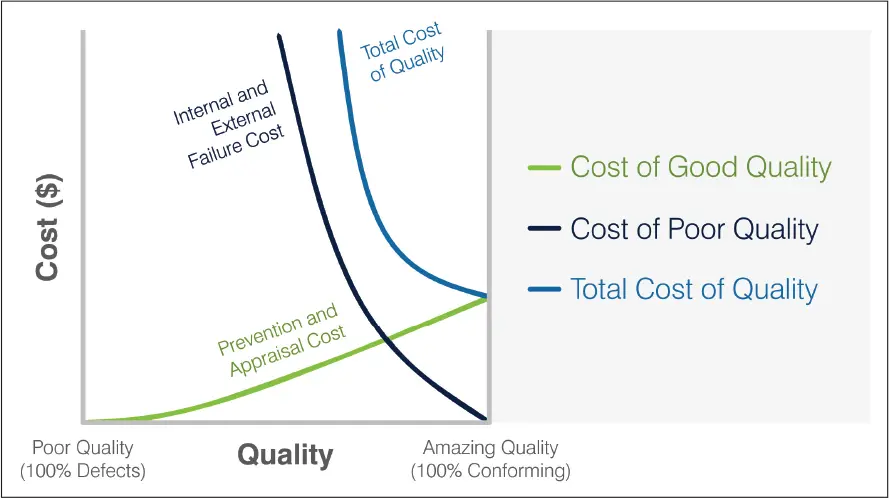
While achieving high-quality data through proactive prevention and assessment strategies may require higher upfront consulting and analytical costs, these investments are critical to obtaining PFAS data you can be confident are accurate. Although the initial costs may appear substantial, they are far outweighed by the potential expenses and setbacks associated with managing poor quality data.
Dr. Joseph Juran, an expert in quality management and author of “Juran’s Quality Handbook,” illustrated this principle in Figure 6. The graph shows how investing in the production of high-quality products minimizes the costs associated with poor-quality outcomes. This concept is equally applicable in PFAS testing – by prioritizing investment in high-quality data, organizations can proactively manage resources and financial risks while ensuring effective, sustainable solutions.
Closing Thoughts
The concept of “The Cost of Quality” is highly relevant to the challenges of PFAS analytical testing, where the stakes are high and the margin for error is razor thin. Poor quality data can lead to costly financial consequences, project delays, and harm to public trust and well-being. On the other hand, investing in high-quality data ensures that high-value decisions are built on a foundation of reliability, precision, and accuracy that reduce risks and enhance outcomes.
Ultimately, our concern is that the PFAS analytical testing industry is not yet prepared to consistently produce the high-quality data needed to support current and pending regulations, especially given the increasing demand for testing. Our apprehension is reinforced daily as we review the quality of PFAS data where issues with accuracy, precision, and completeness remain persistent, regardless of the laboratory performing the analyses.
By embracing proactive prevention and rigorous data assessment strategies, organizations can address the unique complexities of PFAS testing. Although these approaches may involve increased upfront costs, ensuring data quality from the beginning is an investment that will ultimately pay dividends by safeguarding against the far greater expenses of poor-quality data.
As the regulatory landscape continues to evolve and the demand for PFAS testing grows, adopting a robust approach to data quality is not just a desired best practice but a necessity. High-quality PFAS data serve as a critical asset, enabling informed decisions, fostering stakeholder confidence, and ensuring long-term success in managing PFAS contamination. The saying “an ounce of prevention is worth a pound of cure” has never been more appropriate: investing in quality today establishes the foundation for generating reliable data that support critical decisions regarding PFAS in our environment.
Footnotes
1. Total Quality Control, Vol. 1, Armand V. Feigenbaum, https://www.amazon.com/Total-Quality-Control-Vol-1/dp/007162628X.
2. Personal communications with laboratory directors.
3. To help visualize just how small 1 part per trillion (ppt) is, 1ppt is equivalent to 1 inch in 16 million miles.
5. https://www.law360.com/articles/1890333.


