Miguel Pimentel, Project Designer, Weston & Sampson, Foxborough, MA
The rapid expansion of wind energy has introduced a growing challenge: the disposal of decommissioned turbine blades made from durable composite materials that are difficult to recycle. This article explores the emerging issue of blade waste and evaluates adaptive reuse as a viable interim solution. Repurposing strategies—including pedestrian bridges, sound barriers, urban furniture, and structural elements—leverage the strength, durability, and geometry of these materials. However, significant challenges remain, including transportation logistics, fabrication risks, and variability in blade design, all of which limit scalability. The article also examines future opportunities in material innovation, particularly the development of recyclable thermoplastic blades. By reframing retired turbine blades as valuable construction resources, the piece highlights a critical intersection of sustainability, engineering, and design innovation.
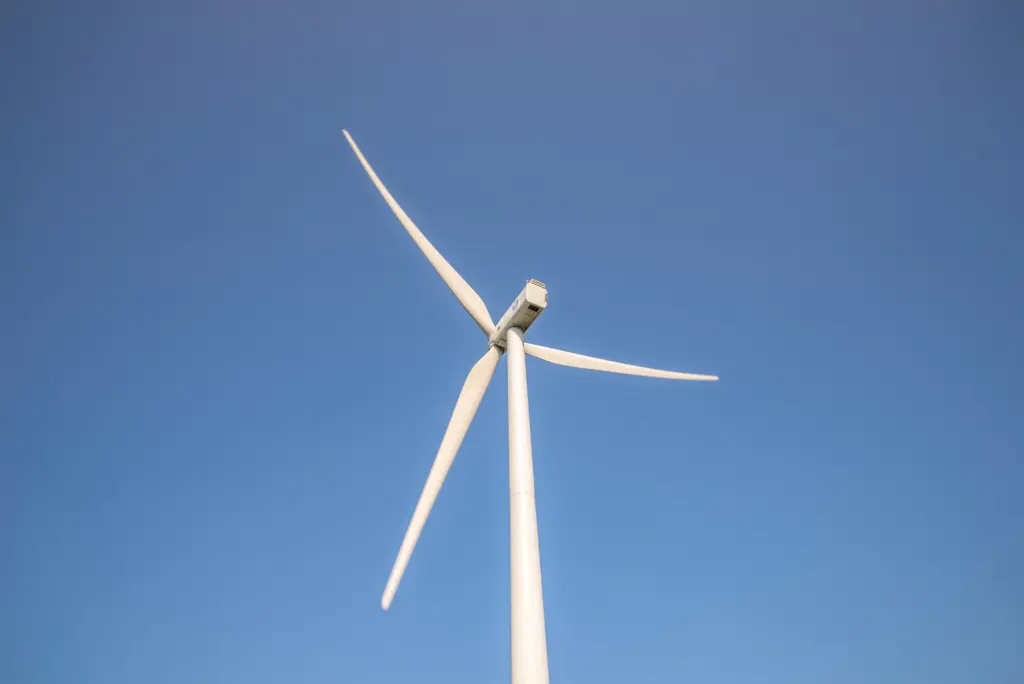
Utility-scale wind turbines typically carry blades spanning 50–80 meters with a design life of 20–25 years. (Yehuda Inbar – InbarVision.com)
As global wind energy capacity has expanded dramatically over the past two decades, a largely overlooked consequence is now demanding attention: the disposal of wind turbine blades that have reached the end of their operational lives. Typically engineered for a service life of 20 to 25 years and stretching 50 to 80 meters in length, wind turbine blades are composed of fiberglass, carbon fiber, epoxy resins, and other composite materials that, while highly durable, are notoriously difficult to recycle.
The result has been the emergence of so-called “blade graveyards” – vast outdoor storage sites and landfills where decommissioned blades are cut into three equal lengths and deposited in open trenches. In the United States alone, it is estimated that tens of thousands of blades will require disposal over the next decade. The scale of the problem is no longer hypothetical; it is a present-day environmental and logistical concern that the construction and engineering sectors are increasingly being called upon to help address.
Creative Reuse: Giving Blades a Second Life
One of the most promising approaches to the blade disposal challenge is adaptive reuse – repurposing decommissioned blades as structural or architectural elements. The inherent properties of wind blades, including their exceptional strength-to-weight ratio, weather resistance, and aerodynamic geometry, make them surprisingly well-suited to a range of applications in the built environment. Some of the uses being explored for repurposed turbine parts range from utilitarian to the artistic, like:
Pedestrian Bridges: Single blades can span modest gaps and serve as walkway decks or support elements, creating low-cost infrastructure with a compelling sustainability narrative.
Urban Furniture and Playgrounds: The sculptural quality of wind turbine blades offers a unique aesthetic look.
Sound Barriers: The density and material composition of blade panels offer acoustic dampening properties comparable to conventional highway noise barriers.
Tiny Homes: Using the nacelle, the top part of a wind turbine, as a tiny home demonstrates how old turbine materials can be reused in innovative ways.
Power Transmission Poles: Early-stage trials are examining whether the structural performance, weather resistance, and longevity of composite blades make them a viable substitute for the current metal, concrete, and wood options.
Engineering Challenges
Despite the creative potential of blade reuse, significant engineering and logistical barriers remain, chief among these being logistics: blades are exceptionally long, non-standard in shape, and difficult to transport on public roads without specialized equipment and permits. Moving a single blade from a decommissioned wind farm to a reuse facility can involve multi-axle vehicles, road closures, and considerable coordination with infrastructure authorities.
Also, the cutting and reshaping of blades produces fine particulate dust during mechanical processing that poses both occupational health risks and environmental contamination concerns. One emerging solution is to conduct fabrication operations directly at decommissioning sites, transforming the graveyard into a processing facility. This approach concentrates dust and debris in a single controlled location, reduces transportation distances, and minimizes the volume of material ultimately sent to landfill.
The variability of blade design presents another obstacle. Unlike standardized construction materials, turbine blades have been produced by dozens of manufacturers, with substantial differences in geometry, material layup, and structural performance. This inconsistency complicates the development of universal fabrication methods or standard reuse specifications, requiring bespoke engineering assessments for each blade type, adding cost and complexity that limit the scalability of current reuse strategies.
Looking Ahead: Designing for the End of Life
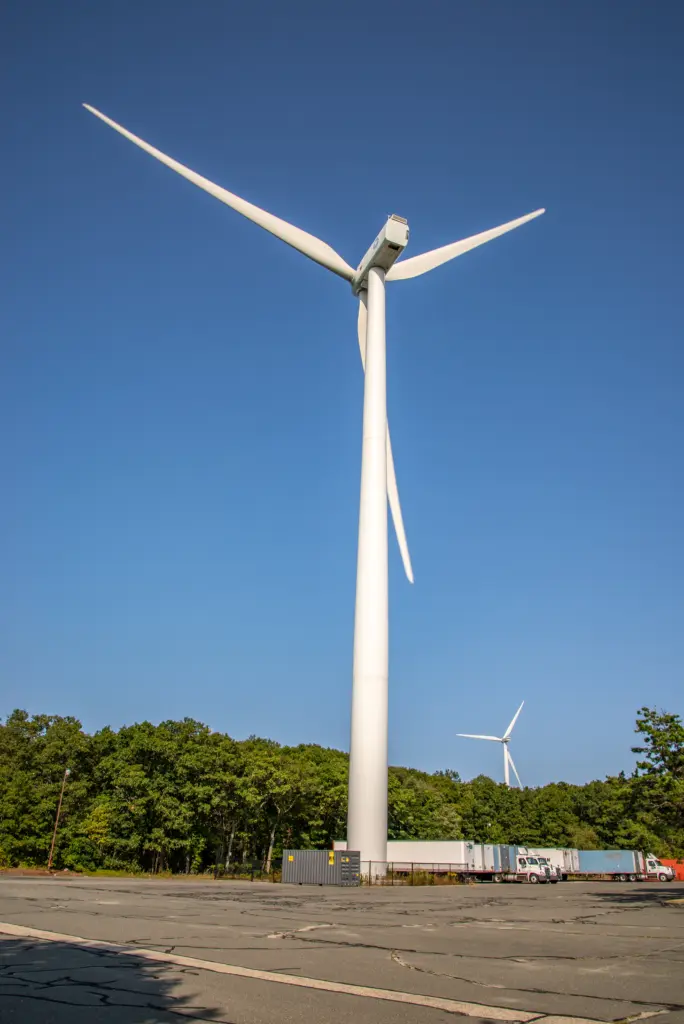
The sheer scale of a wind turbine is apparent when viewed alongside standard freight containers, a stark reminder of the difficulties involved in blade decommissioning and transport. (Yehuda Inbar – InbarVision.com)
The longer-term solution may lie not in how we handle old blades but rather in how we design new ones. An increasing number of manufacturers and researchers are experimenting with thermoplastic resins as an alternative to the thermoset epoxies that currently make blades resistant to recycling. Unlike thermosets, thermoplastics can be chemically dissolved and reformed into new raw materials at the end of a blade’s operational life.
This potential shift represents a convergence of material science, regenerative design, and wind energy technology that could soon fundamentally reframe the blade waste problem. The interim period between now and the widespread adoption of recyclable blade technology is precisely the moment to develop the standardized construction methods and infrastructure necessary to put decommissioned blades to productive use.
The challenge of end-of-life wind turbine blades sits at the intersection of environmental urgency and construction opportunity. These engineered composites, designed to withstand decades of extreme mechanical stress, retain substantial structural value long after their role in energy generation has ended. Whether reimagined as pedestrian bridges, sound barriers, or transmission infrastructure, their potential contribution to the built environment is real and growing.
Miguel Pimentel is a Project Designer with Weston & Sampson in their Foxborough office.