Articles

As South Carolina continues to experience steady population growth, economic development, and climate variability, communities across the state are placing increased pressure on aging water and wastewater infrastructure. Planning for these dynamic conditions requires more than routine maintenance and reactive upgrades – it demands a forward-thinking, integrated approach. This is where utility system master planning comes into play.
Water and wastewater master plans are more than just capital improvement wish lists. They are strategic roadmaps that help water and sewer utility providers understand the current state of their collection and distribution systems, identify vulnerabilities, and prioritize investments to accommodate growth, mitigate risk, and improve service reliability. Despite the effort and cost involved in preparing such a plan, the long-term value it provides in risk reduction, capital efficiency, and regulatory compliance is substantial.
What is a Utility System Master Plan?
A utility system master plan is a comprehensive, data-driven planning document that evaluates the current condition, capacity, and performance of a community’s water distribution or sanitary sewer collection system. It then provides a forecast of future needs based on anticipated growth and development, recommending targeted improvements to ensure the system continues to function effectively and sustainably.
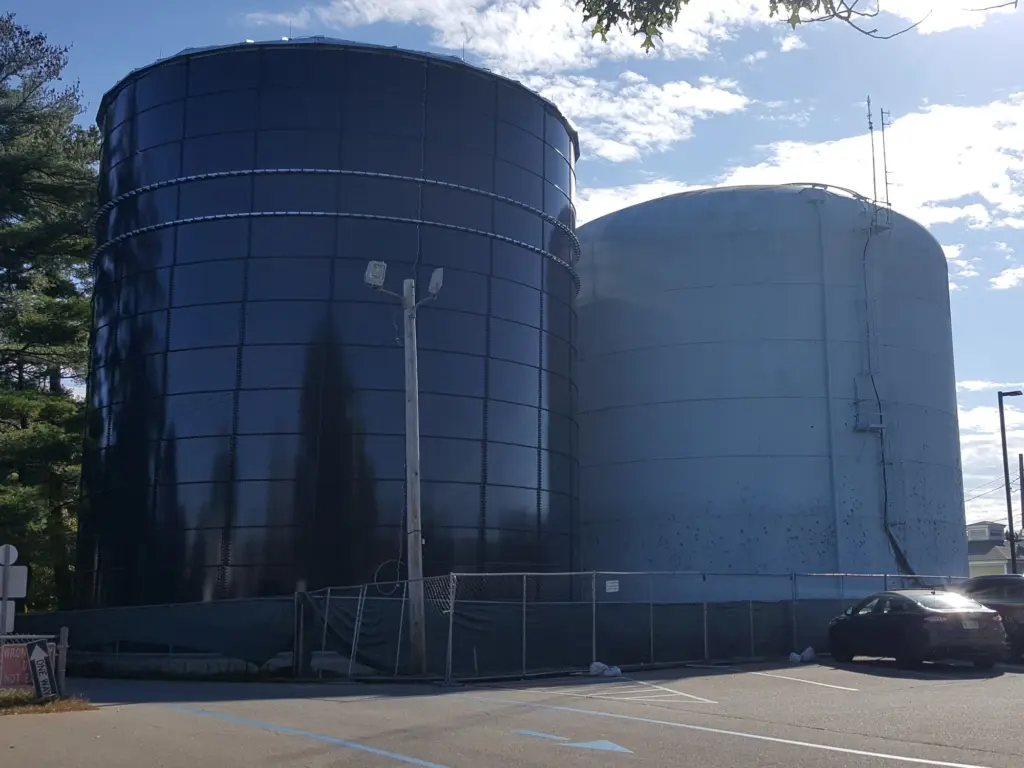
Master plans can cover a specific focus district or an entire utility service area and incorporate a variety of inputs, like:
- Existing system mapping and asset inventory
- Flow or pressure monitoring and hydraulic modeling
- Condition assessment data
- Population and land use projections
- Regulatory requirements
- Operations and maintenance practices
- Financial history and projections
The outcome is a prioritized set of recommended capital improvements, policies, and management strategies that can guide infrastructure, staffing, and programmatic investment over the planning horizon best suited to each utility.
Why Are Master Plans So Necessary?
Like much of the country, many of South Carolina’s water and wastewater systems were built decades ago, and while many have seen incremental “piecemeal” upgrades, few have undergone holistic evaluations. Without a master plan, decision-making can become reactive, driven by emergencies or political pressure rather than need and impact. Some of the key reasons that utility system master planning is so critical include:
- Aging infrastructure: Much of the state’s water and wastewater infrastructure is nearing or past its intended service life. Master planning helps prioritize rehabilitation and replacement efforts based on asset criticality and risk of failure.
- Capacity constraints: New housing development, commercial growth, and infill projects can strain water and sewer capacity. A master plan provides the hydraulic analysis necessary to determine where bottlenecks exist and how future growth will affect system performance.
- Regulatory pressures: State and federal regulatory agencies increasingly expect local utilities to demonstrate proactive management of their water and sewer systems. Master plans help utilities avoid sanitary sewer overflows (SSOs) and water quality issues, comply with consent decrees, and maintain good standing with regulators.
- Emergency preparedness and resilience: Master planning improves a utility’s ability to prepare for and respond to extreme weather events, power outages, and other disruptions. In coastal and flood-prone areas, understanding how rising groundwater or sea-level rise may affect infiltration and inflow (I/I) is essential to long-term sewer system resilience. For water utilities, master plans can identify opportunities for alternate supply sources, helping to ensure that adequate flow, storage, and pressure are available even if primary supply sources are compromised.
- Capital planning and fiscal responsibility: By identifying and prioritizing projects based on need, risk, and cost-benefit, a master plan enables smarter use of limited capital funds. It also enhances a utility’s ability to justify funding requests or rate adjustments to stakeholders and ratepayers.
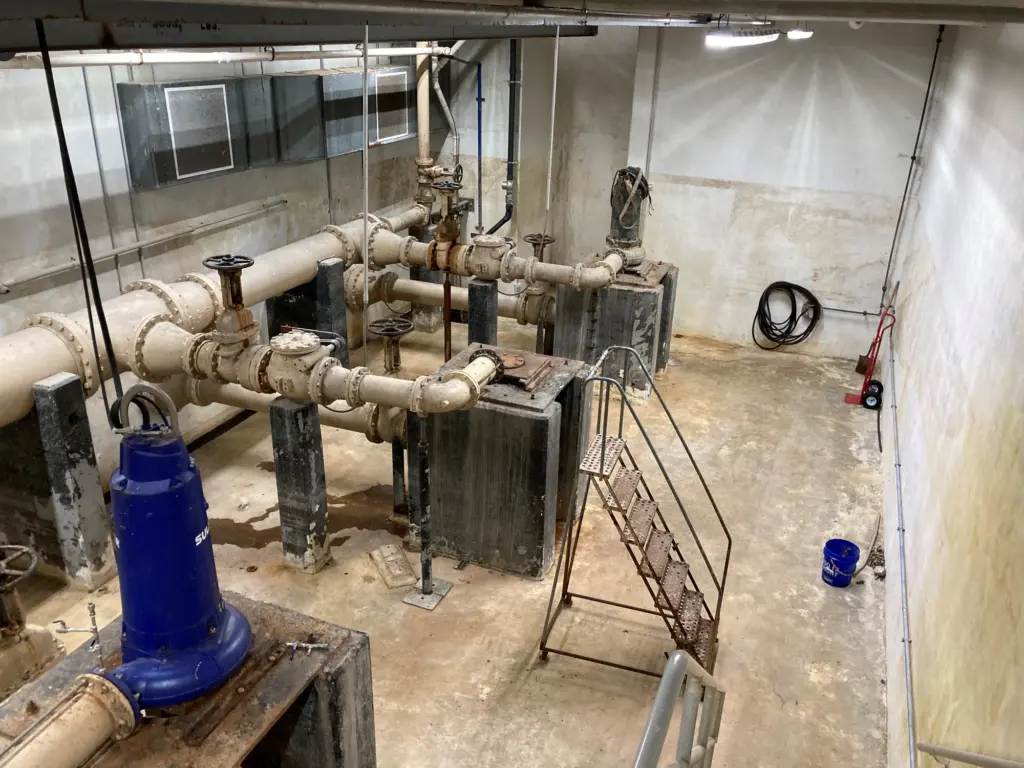
Key Components of a Master Plan
A strong utility system master plan includes several core components, each of which contributes to a well-rounded understanding of system health and future needs. While this list may seem daunting, strategically focusing on the components that provide the most actionable outcomes for the available budget can be an effective way to build toward a comprehensive plan. Master planning should be viewed as an ongoing, living process rather than a one-time task to be accomplished.
- Data collection and asset inventory: Before anything can be analyzed or modeled, planners must first understand what assets exist. This typically involves gathering information like GIS data, as-built drawings, operational records, and maintenance logs. Increasingly, utilities are turning to asset management platforms to centralize this information.
- System performance monitoring: For sewer systems, this involves deploying temporary flow meters and rain gauges throughout the system to monitor dry- and wet-weather flows. For water utilities, hydrant testing and pressure loggers are used to understand average and peak conditions in the system. This data is essential for calibrating hydraulic models and identifying areas affected by I/I or deficient fire flows.
- Dynamic hydraulic modeling: Developed using monitoring results, asset data, and operational information, a hydraulic model simulates current and future flow scenarios to identify capacity issues and predict the impacts of system improvements.
- Integrate condition assessment data into the planning process: Where feasible, data like CCTV inspection results, smoke testing, manhole surveys, valve exercising results, and water sampling information help identify structural defects and other issues that may not be apparent from flow data alone.
- Land use and population growth forecasting: This information is used to estimate future flow projections. Coordination with municipal planning departments ensures these projections align with zoning plans, comprehensive plans, and expected development patterns.
- Develop a Capital Improvement Plan: The resulting Capital Improvement Plan (CIP) is a prioritized list of capital projects, including cost estimates, schedules, and recommended phasing. Projects may include upsizing pipes, installing new vertical assets like pump stations or elevated tanks, rehabilitating existing infrastructure, or implementing I/I reduction measures.
Completing a master plan for our sewer system has been valuable in many ways. It gave the public and our board of commissioners a clear picture of the work that’s likely needed over the next 20 years and helped us prioritize capital projects.
Chris Eleazer, Executive Director, Oconee Joint Regional Sewer Authority
The Cost of Planning vs. the Cost of Inaction
One of the most common objections to master planning is its upfront cost. As laid out here, comprehensive planning efforts require time, staffing, data collection, and often third-party consulting support. However, the cost of not planning – or poor planning – is far higher. Without a master plan, utilities risk overbuilding infrastructure, misallocating capital, or suffering expensive but preventable system failures. The reputational and regulatory consequences of SSOs or permit violations can also be significant, especially in an era of increased public scrutiny and environmental awareness.
A well-developed master plan also positions utilities to pursue external funding like State Revolving Fund (SRF) loans, grants, and resilience-focused programs. These funding sources often require that applicants demonstrate long-term planning and system understanding, which is something only a master plan can provide. While not every component of a master plan must be accomplished at once, beginning to set aside or obtain funds to begin the process is always a prudent investment for any utility.
Looking Ahead
As South Carolina’s communities continue to grow and climate pressures mount, wastewater collection and water distribution systems must become more adaptive and resilient. Master planning gives utilities the tools to navigate these changes with confidence and clarity and promotes transparent decision-making that aligns with both regulatory requirements and community values.
By investing in thoughtful, data-informed master plans today, utilities can safeguard public health, protect the environment, and provide reliable service for decades to come.
Published in WEASC / SCAWWA Journal December 2025.


